Behavioral Therapy in Bangalore
Helping children and families understand behavior, develop healthier coping skills, improve communication and build greater independence through structured, individualized behavioral therapy.

Every Behaviour Has a Reason
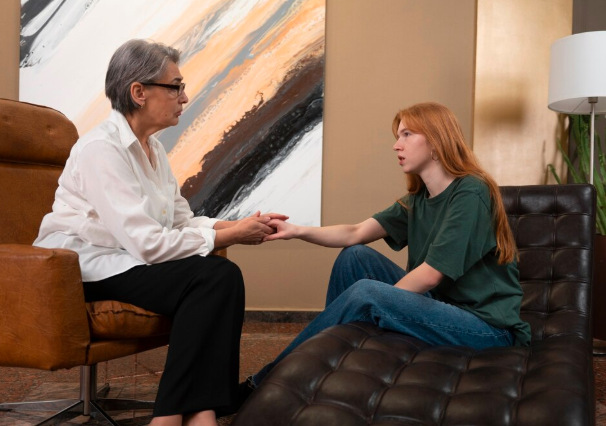
At Mind & Brain Hospital, behavioral therapy focuses on understanding the reasons behind a person's behavior rather than simply trying to stop the behavior.
Our therapists work collaboratively with children, adolescents and families to identify behavioral patterns, understand triggers and develop healthier responses.
The goal is to improve social, emotional and cognitive functioning while helping individuals develop practical coping and communication skills for everyday life.
What Behavioral Therapy Can Help With
Therapy is tailored to the individual's needs and focuses on developing practical skills that can support healthier functioning at home, school and in social settings.
Better Cooperation
Develop positive interaction and cooperation with others.
Daily Living Skills
Build practical social and everyday independence skills.
Safer Behaviours
Reduce disruptive, harmful or self-defeating behaviors.
Independence
Encourage motivation and greater independence.
Emotional Regulation
Learn healthier coping and emotional regulation strategies.
Behavioral Concerns We Can Address
Behavioral therapy may be useful across a range of emotional, developmental and behavioral concerns.
ADHD
Support for attention, impulse control, emotional regulation and behavioral challenges.
Autism Spectrum Disorder
Support for communication, social interaction, adaptive behavior and daily functioning.
Oppositional Behaviours
Structured strategies for difficult behaviors, cooperation and healthier responses.
Anxiety
Help with anxiety-related behaviors, avoidance, fears and coping difficulties.
Depressive Symptoms
Support for withdrawal, reduced motivation and unhealthy behavioral patterns.
OCD & Related Behaviours
Structured behavioral approaches may help manage compulsions, avoidance and repetitive patterns.
Anger & Emotional Regulation
Develop strategies to identify triggers and respond to strong emotions more effectively.
Social Difficulties
Build communication, cooperation and appropriate social interaction skills.
School-Related Behaviour
Support for classroom behavior, participation, routines and adaptive skills.
How Behavioral Therapy Works
A structured and collaborative process helps identify behavioral patterns and develop realistic strategies for positive change.
Understand
We understand the individual's behavior, environment, communication and emotional needs.
Identify
Triggers, patterns and factors contributing to the behavior are carefully explored.
Develop
Practical strategies are introduced to encourage healthier responses and coping skills.
Strengthen
Progress is monitored and successful behaviors are reinforced for long-term improvement.
Encouraging Positive Behaviour, Not Just Correcting Behaviour
Behavioral therapy focuses on understanding what happens before and after a behavior and using structured, supportive strategies to encourage healthier responses.
- Identify triggers and behavioral patterns
- Encourage desired and adaptive behaviors
- Develop healthier coping strategies
- Improve communication and cooperation
- Strengthen independence and confidence

Behavioral Strategies Used in Therapy
Depending on the individual's needs, therapists may use different behavioral techniques to encourage positive change.
Positive Reinforcement
Desired behaviors can be strengthened through appropriate positive feedback and reinforcement.
Behavior Modification
Structured strategies can help reduce ineffective behavioral patterns and encourage adaptive behavior.
Communication Skills
Individuals can learn more effective ways to express needs, emotions and concerns.
Coping Skills
Therapy supports healthier ways of responding to stress, frustration and difficult emotions.
Family Involvement Matters
For children and adolescents especially, meaningful behavioral change often requires support beyond the therapy room. Families can learn practical strategies that can be incorporated into everyday routines.
- Consistent routines
- Clear communication
- Positive reinforcement
- Healthy boundaries
- Emotional support
- Skill development
A Structured, Individualized Approach
Behavioral concerns can have different causes and require individualized support. Our approach focuses on understanding the person behind the behavior.
Individualized Care
Therapy strategies are adapted to the individual's needs, strengths and goals.
Family-Centred Support
Families can be guided to support behavioral progress in everyday environments.
Structured Approach
Behavioral patterns and progress are monitored to support meaningful and practical goals.
Compassionate Care
Therapy is provided in a supportive environment that respects each person's individual needs.
Child & Adolescent Support
Specialized behavioral support can address developmental, emotional, social and school-related concerns.
Multidisciplinary Care
Behavioral therapy can be coordinated with psychological and psychiatric care when clinically appropriate.
Behavioral Therapy FAQs
Behavioral therapy is a structured form of psychological intervention that focuses on understanding behavioral patterns and developing healthier, more adaptive responses and coping skills.
Behavioral therapy may be helpful for children, adolescents and adults experiencing behavioral, emotional, social or coping difficulties. The appropriate approach depends on an individual's specific needs and assessment.
Behavioral strategies can support children with ADHD by working on attention-related behaviors, routines, impulse control, emotional regulation and positive reinforcement. Treatment should be individualized.
Parent and family involvement can be especially useful when working with children. Families may receive practical guidance to reinforce appropriate behaviors and support therapy goals at home.
The duration varies depending on the person's concerns, treatment goals, response to therapy and level of support required. The therapist can recommend an appropriate treatment plan after assessment.
No. Behavioral therapy is not simply about punishment. It focuses on understanding behavior, identifying contributing factors and encouraging healthier, functional behaviors through structured strategies.
Take the First Step Towards Positive Change
If you are concerned about your child's behavior, emotional regulation, social skills or daily functioning, professional guidance can help you understand the next step.