Hindu Psychology
Exploring the relationship between mind, self, consciousness, values and wellbeing through the philosophical traditions of India and contemporary psychological understanding.

A Different Way of Understanding the Self
Hindu psychology refers to a broad body of philosophical and contemplative ideas from Indian traditions that explore the nature of the mind, consciousness, identity, suffering, purpose and human flourishing.
Rather than viewing psychological wellbeing only through symptoms, this perspective can explore the individual's relationship with thoughts, emotions, values, actions, relationships and a deeper sense of self.
Body. Mind. Spirit.
Hindu psychological traditions often examine human wellbeing through interconnected dimensions rather than treating the mind as completely separate from the body, relationships and meaning.

Body
Physical wellbeing, daily routines, rest, activity and the relationship between physical experience and psychological wellbeing.

Mind
Thoughts, emotions, attention, memory, desires and patterns of mental experience can be explored with greater awareness.

Spirit
Questions of meaning, values, purpose, identity and connection may form an important part of a person's inner life.
Understanding Manas, Buddhi & Ahamkara
Indian philosophical traditions describe different functions of the inner psychological system. These concepts can provide a culturally meaningful language for reflecting on thought, emotion, identity and decision-making.
Manas
Associated with sensory experience, thoughts, feelings and mental activity.
Buddhi
Associated with discernment, reflection, understanding and decision-making.
Ahamkara
Associated with the sense of “I”, identity and identification with experience.
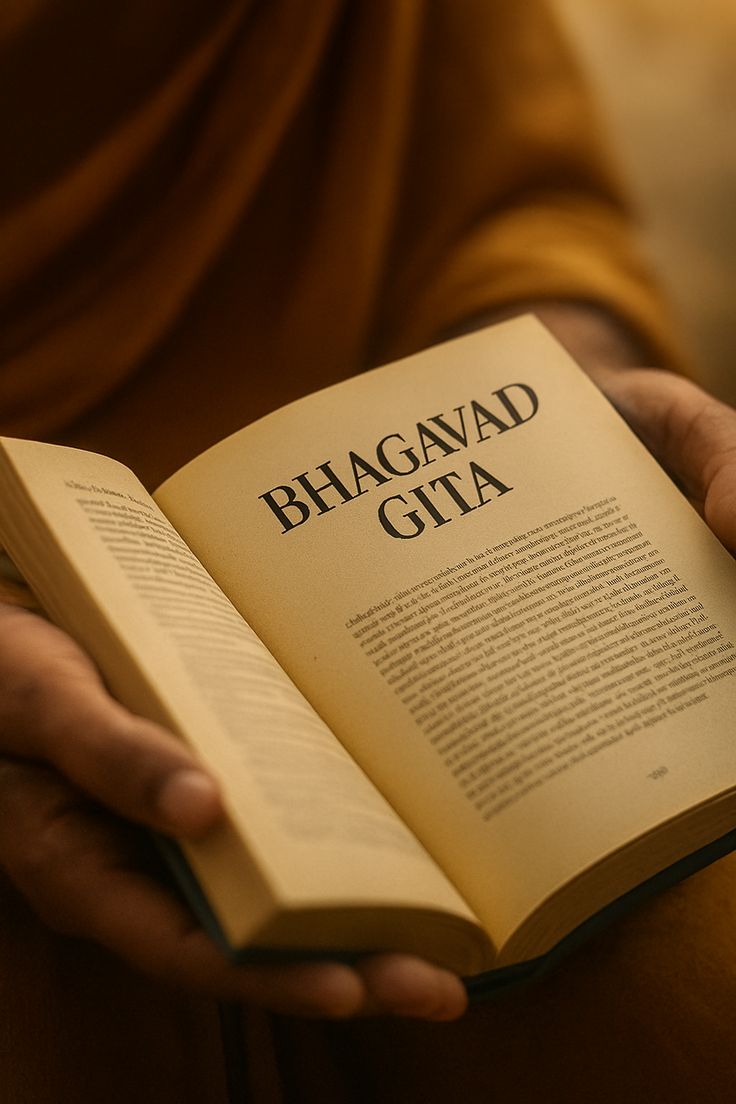
The Bhagavad Gita and the Human Mind
The Bhagavad Gita has long been interpreted as a text addressing questions of duty, action, emotional conflict, self-understanding and equanimity.
Its dialogue between Krishna and Arjuna provides a powerful cultural framework for reflecting on uncertainty, responsibility, values and the struggle between competing inner experiences.
Exploring responsibility, values and meaningful action.
Developing a balanced relationship with changing outcomes.
Reflecting on identity, attachment and inner experience.
Understanding the Gunas
Traditional Indian psychology describes three broad qualities or tendencies that can influence patterns of thought, behaviour and experience.
Sattva
Associated with clarity, balance, calmness, awareness and a sense of harmony.
Rajas
Associated with activity, drive, stimulation, restlessness and emotional intensity.
Tamas
Associated with inertia, heaviness, withdrawal and lack of clarity.
Bringing Cultural Wisdom Into Care
A culturally sensitive psychological approach can create space for clients to discuss beliefs, values, identity and spirituality when these are meaningful to their wellbeing.
Anxiety & Stress
Exploring emotional patterns, self-awareness, grounding, meaning and culturally relevant coping perspectives.
Discuss Your Needs →Emotional Regulation
Developing awareness of thoughts, emotions, reactions and the relationship between inner experience and behaviour.
Discuss Your Needs →Identity & Meaning
Supporting exploration of identity, values, purpose, existential concerns and personal meaning.
Discuss Your Needs →Family Relationships
Considering family values, relationships, responsibilities and interpersonal patterns within the individual's cultural context.
Discuss Your Needs →Traditional Insight. Contemporary Psychological Care.
Hindu psychology does not need to replace contemporary psychological care. For individuals who find spiritual or philosophical traditions meaningful, these ideas can be explored as part of a broader, respectful and individualised therapeutic conversation.

A Culturally Sensitive Approach
Spirituality and religion can be deeply personal. Any psychological exploration of Hindu philosophical ideas should respect the individual's beliefs, preferences and clinical needs. These perspectives are complementary and should not be presented as a substitute for appropriate medical or psychological treatment.
A Supportive Space for Mind & Meaning
Multidisciplinary Care
Psychological and psychiatric care can be considered alongside culturally meaningful perspectives when appropriate.
Personalised Approach
Care is shaped around the individual's concerns, goals, background and preferences.
Respectful Environment
Personal beliefs and spiritual perspectives can be discussed with sensitivity and respect.
Comprehensive Support
Patients can access a broader mental healthcare environment under one roof.
Hindu Psychology FAQs
What is Hindu psychology? +
Hindu psychology is a broad term used for psychological and philosophical ideas found within Indian traditions. It explores themes such as mind, consciousness, self, emotion, behaviour, suffering, values and wellbeing.
Is Hindu psychology the same as modern psychology? +
No. Hindu psychology and contemporary psychology arise from different intellectual traditions. They may, however, be explored together when culturally appropriate and when the individual finds these ideas meaningful.
Can Hindu psychology help with anxiety and stress? +
Culturally meaningful practices involving reflection, mindfulness, values and self-awareness may support wellbeing for some people. Clinical anxiety or other mental health conditions should be appropriately assessed by qualified mental health professionals.
What role does the Bhagavad Gita have in Hindu psychology? +
The Bhagavad Gita is an important philosophical text that discusses action, duty, emotional conflict, self-understanding and equanimity. It has been interpreted by scholars and practitioners in relation to questions of psychological and spiritual wellbeing.
What are Manas, Buddhi and Ahamkara? +
These Sanskrit concepts are commonly discussed in Indian philosophical psychology. Broadly, Manas may refer to aspects of sensory and mental processing, Buddhi to discernment and understanding, and Ahamkara to the sense of “I” or individual identity.
Can Hindu psychology be included in counselling? +
If a client considers Hindu philosophical or spiritual perspectives meaningful, these themes may be discussed sensitively within counselling when clinically appropriate. The approach should always respect the client's beliefs and individual preferences.
Explore the Mind Within.
Discover a culturally sensitive approach to mental wellbeing that creates space for psychological, philosophical and personal meaning.