Dance & Movement Therapy
A therapeutic approach that uses movement, rhythm and creative expression to support emotional, cognitive, physical and social well-being.
What Is Dance/Movement Therapy?
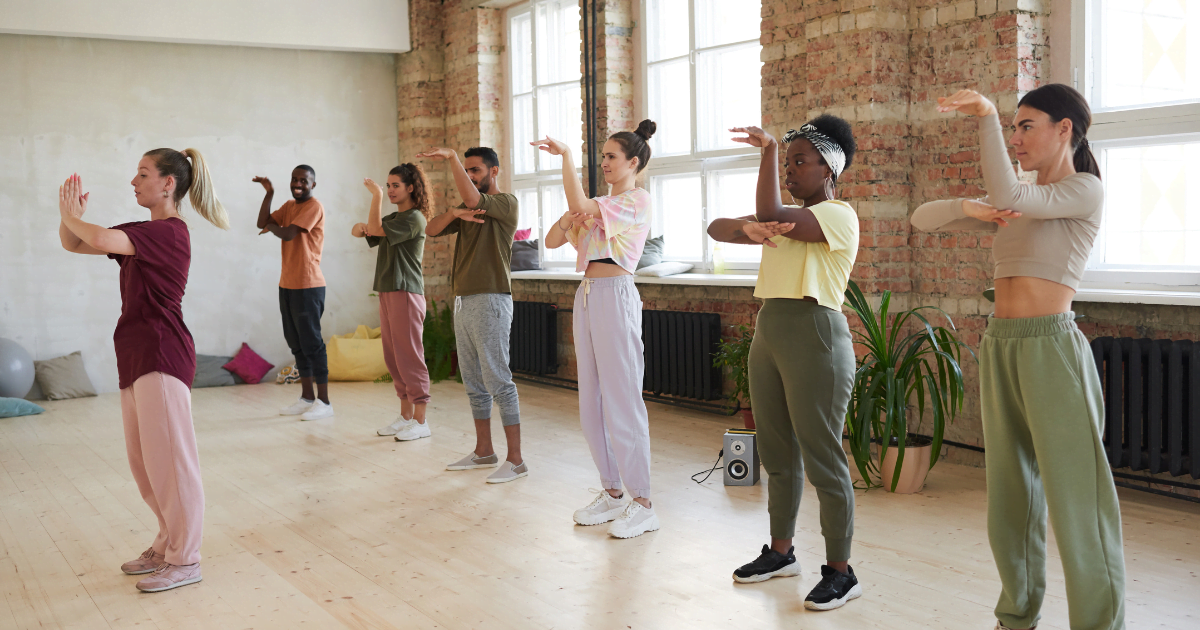
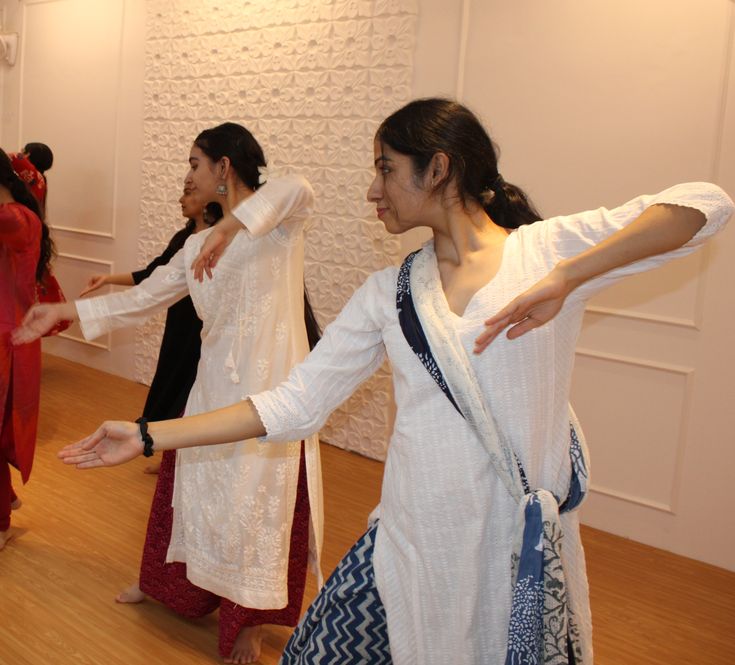
Dance/Movement Therapy (DMT) is a psychotherapeutic approach that uses movement to support emotional, cognitive, physical and social integration.
Because movement and emotion can be closely connected, DMT can provide another way for individuals to express experiences and feelings that may be difficult to communicate through words alone.
- Encourages non-verbal emotional expression
- Supports body awareness and self-awareness
- Promotes creative self-expression
- Can support social interaction and connection
- Can be adapted for individuals and groups
How Dance & Movement Therapy Works
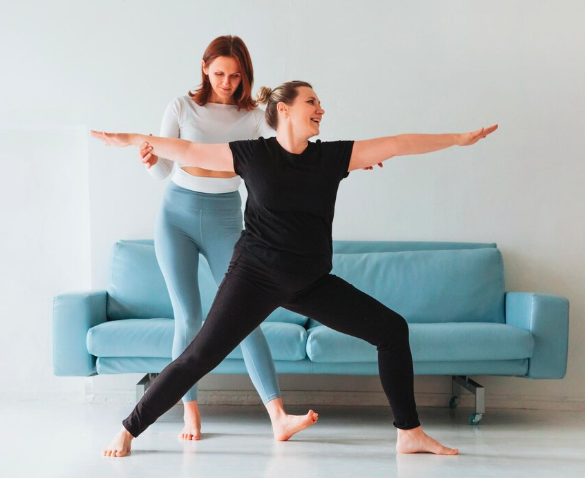
Sessions are adapted to the individual's needs and may incorporate movement, music, rhythm and creative activities.
Expressive Movement
Movement can provide a structured way to express emotions, experiences and physical sensations.
Rhythm & Music
Rhythmic activities and music may be incorporated to support engagement, coordination and expression.
Creative Activities
Creative movement and improvisation can encourage exploration, confidence and self-expression.
Body Awareness
Movement-based exercises can support awareness of the body, movement patterns and physical responses.
Mindfulness
Movement-based mindfulness activities may be used to encourage relaxation and present-moment awareness.
Social Connection
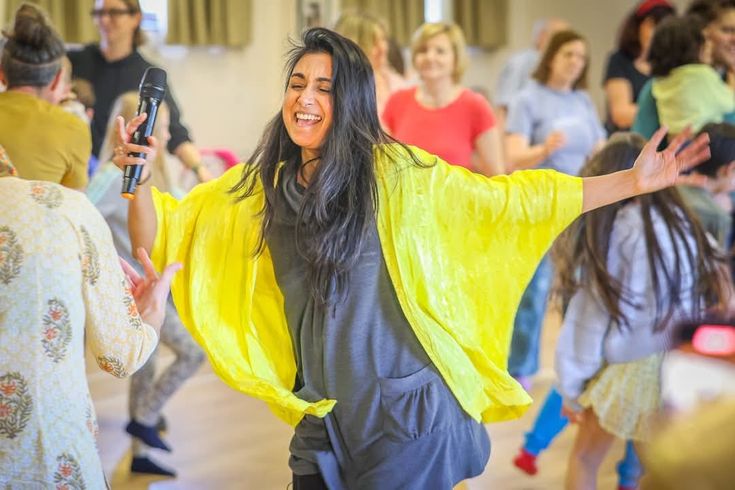
Group-based activities can encourage interaction, communication, trust and connection.

Who Can Benefit From Dance & Movement Therapy?
Dance and Movement Therapy can be adapted for different ages and individual needs as part of an appropriate therapeutic plan.
Children
May support children with developmental, emotional, behavioural or social difficulties when clinically appropriate.
Adults
Can provide an additional expressive approach for adults experiencing emotional or psychological concerns.
Emotional Well-Being
Movement-based therapy may support emotional awareness, self-expression and regulation.
Trauma Support
Trauma-informed movement approaches may be considered as part of an individual's broader treatment plan.
Physical Challenges
Selected movement activities may support body awareness, coordination and participation where appropriate.
Older Adults
Appropriate movement and creative activities may be incorporated for older adults according to individual needs.
Why Choose Dance & Movement Therapy?
DMT offers an additional way of working with emotional, physical and social experiences alongside other appropriate therapeutic interventions.
Non-Verbal Expression
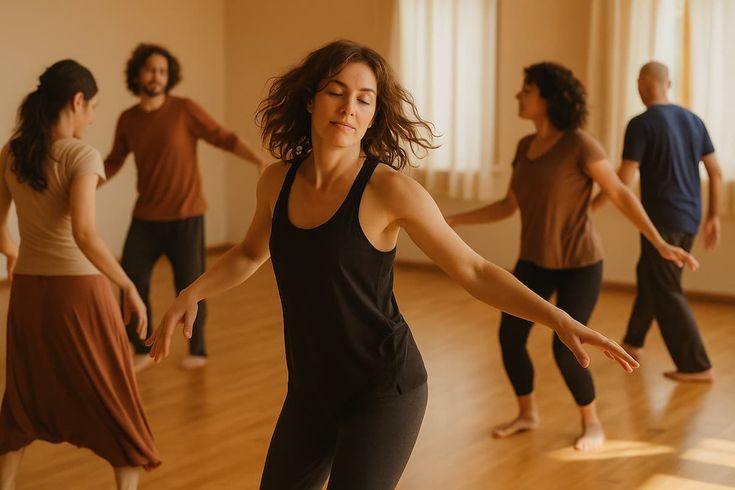
Movement can provide an alternative form of expression for individuals who find it difficult to communicate certain experiences verbally.
Body-Mind Connection
Encourages awareness of the relationship between physical movement, emotions and experiences.
Social Bonding
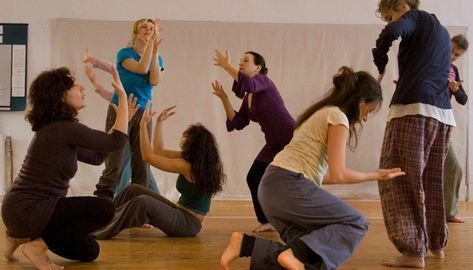
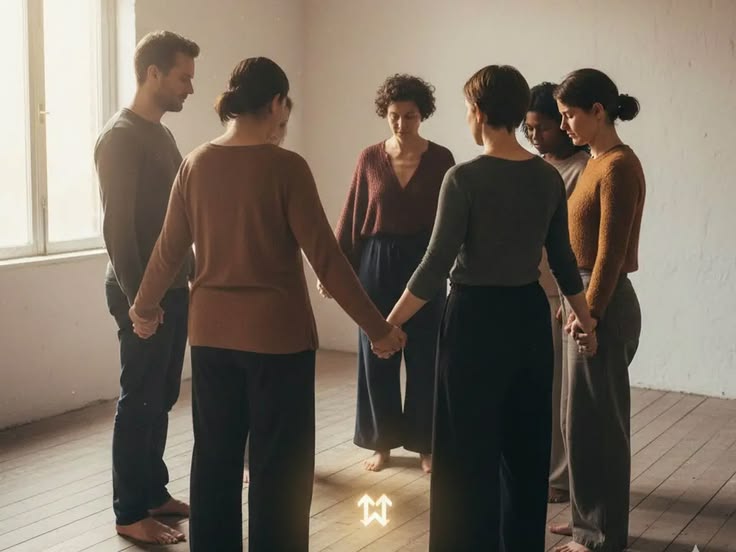
Group activities may encourage communication, connection and participation with others.
Emotional Awareness
Movement-based activities may help individuals notice and explore emotional experiences in a structured setting.
Self-Expression
Creative movement can provide opportunities to explore identity, confidence and personal expression.
Holistic Support
DMT can complement broader mental health and rehabilitation programs when clinically appropriate.
Our Approach at Mind & Brain Hospital
Dance and Movement Therapy can be integrated into a broader mental health and rehabilitation plan according to individual requirements.
Individual Sessions
Movement-based therapy can be adapted to an individual's therapeutic goals and needs.
Group Sessions
Structured group activities may encourage interaction, communication and social connection.
Trauma-Informed Care
Sessions can be planned with attention to individual experiences, comfort and emotional safety.
Team-Based Care
DMT may be coordinated with psychologists, therapists, physiotherapists and other professionals when required.
Therapy Is Tailored To The Individual
Dance and Movement Therapy is not a replacement for every form of psychological or medical treatment. The type and frequency of sessions are determined according to the individual's needs, goals and clinical assessment.
Dance & Movement Therapy FAQs
Dance/Movement Therapy is a psychotherapeutic approach that uses movement to support emotional, cognitive, physical and social integration. It can provide another way to express experiences and emotions through movement.
No. Dance and Movement Therapy is not about performing or learning dance routines. Activities are adapted to the individual's abilities and therapeutic goals.
DMT may be considered for children, adolescents, adults and older adults depending on their needs. Suitability is determined as part of an appropriate clinical assessment.
Yes. Depending on the individual's needs and the treatment plan, Dance and Movement Therapy may be offered through individual or group sessions.
Not necessarily. DMT can be used as one component of a broader treatment plan and may be combined with counselling, psychotherapy, rehabilitation or other clinically appropriate interventions.
Sessions are planned according to the individual's concerns, abilities, therapeutic goals and overall treatment plan. Activities may include expressive movement, rhythm, music, creative improvisation and movement-based mindfulness.
Explore Dance & Movement Therapy
If you would like to understand whether Dance and Movement Therapy may be appropriate, our mental health team can assess your needs and discuss suitable therapeutic options.
The information provided on this page is for general educational purposes and does not replace an individual clinical assessment. Treatment recommendations are made according to each person's specific needs by qualified mental health professionals.