✦
Dr. Akbar Husain
Professor at Aligarh Muslim University with extensive experience in teaching and research. His interests include spirituality in psychology, Islamic psychology and clinical health psychology.
Exploring mental health through an integrated understanding of psychological, emotional, behavioural and spiritual dimensions, while remaining sensitive to Islamic values, traditions and lived experience.


Islamic Psychology can be understood as an approach to psychology grounded in an Islamic paradigm, incorporating perspectives on human life, behaviour, cognition, emotions, relationships and spirituality.
The approach recognises the complexity of human nature and considers psychological and spiritual dimensions together, while engaging with contemporary psychological literature and practices.
Traditional Islamic concepts including Nafs, Qalb, Aql and Ruh provide important conceptual lenses for understanding human experience.
Islamic psychological thought traditionally gives attention to several interconnected dimensions of human experience.
The self and its drives, tendencies, struggles, development and behavioural dimensions.
The heart as a centre associated with emotional, moral and spiritual experience.
The intellectual and cognitive dimension through which people reason, understand and reflect.
The spiritual dimension of human existence and connection with meaning and transcendence.
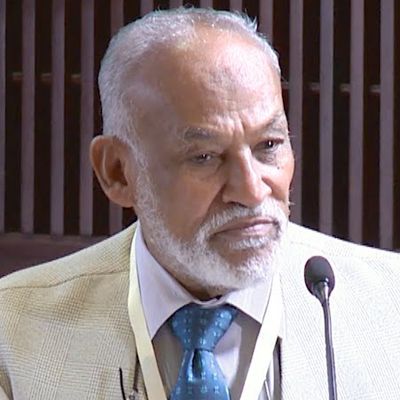
Professor Malik Badri (1932–2021) was a prominent figure in contemporary Islamic Psychology. His academic and clinical career connected psychology, education, spirituality and Islamic intellectual traditions.
His work contributed significantly to discussions around culturally meaningful psychological practice and the relationship between Islamic thought and contemporary psychological science.
The development of Islamic Psychology in India has involved academics, researchers and institutions contributing to dialogue between Islamic perspectives and psychology.

The Indian Council on the Islamic Perspective in Psychology was established in 2016 and has supported seminars, workshops and academic discussion around the field.

Islamic Psychology has increasingly become a subject of academic discussion, research and professional exploration within India.
Professor at Aligarh Muslim University with extensive experience in teaching and research. His interests include spirituality in psychology, Islamic psychology and clinical health psychology.
Professor of Psychology at Jamia Millia Islamia, with academic interests spanning health psychology, clinical psychology, spirituality and Islamic psychological paradigms.
Professor at IIT Bombay and one of the founding members associated with ICIPP, contributing to academic exploration of Islamic psychological principles.
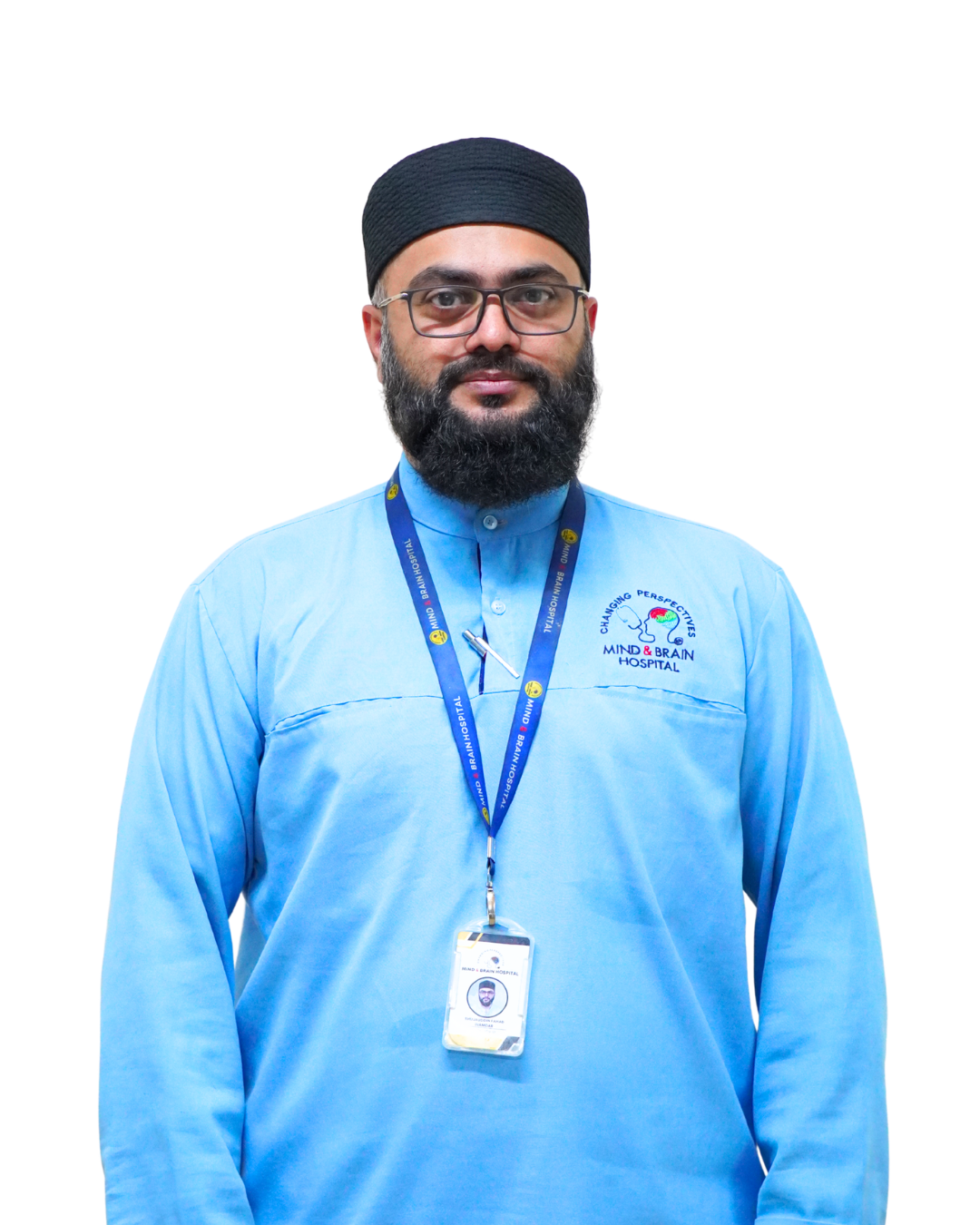
As a Research Scholar, Therapist Practitioner and Mental Health Educator, Shujauddin Fahad Inamdar brings a multidisciplinary perspective to Islamic Psychology.
With a Master's degree in Clinical Psychology and specialization in Islamic Psychology, his interests include spiritual growth, resilience and culturally sensitive psychological practice.
His professional training includes areas such as CBT, REBT and NLP, alongside research and community-oriented mental health work.
His work also explores the relationship between religiosity, anxiety, youth experiences and culturally sensitive counselling models.
The internship is structured into progressive phases designed to move from orientation and observation toward integration, professional development and quality improvement.
Orientation and introduction along with familiarization with the hospital structure.
Introduction to and working with multidisciplinary teams and understanding collaborative healthcare.
Clinic and ward exposure with observation of clinical processes and mental health care.
Observation and introduction to educational components and relevant clinical modalities.
Integration of theoretical orientations with practical interventions from Islamic Psychology.
Integration of learning with professional development and clinical understanding.
Administrative aspects, feedback, regular check-ins and quality improvement discussions.
Advance the future of Islamic Psychology through research, clinical practice and innovation. The program integrates scientific research, evidence-based clinical practice and psycho-spiritual perspectives to prepare participants for future roles in mental health, academia and research.
Clinical Research
Islamic Psychology Services
Academic Projects
Community Mental Health Programs
Future Recruitment Initiatives
Specialized Islamic Psychology training
Supervision by mental health professionals
Research, clinical practice and spirituality
Multidisciplinary hospital environment
Contribution to an emerging field in India
Take the next step toward becoming a clinician and researcher equipped to explore holistic, culturally sensitive and faith-integrated mental healthcare.
WhatsApp enquiries: +91 83101 74400 — No calls please.