
Caregiver Support & Counselling
Professional support for caregivers managing the physical, emotional, social and practical demands of caring for loved ones with illness, disability or dependency.
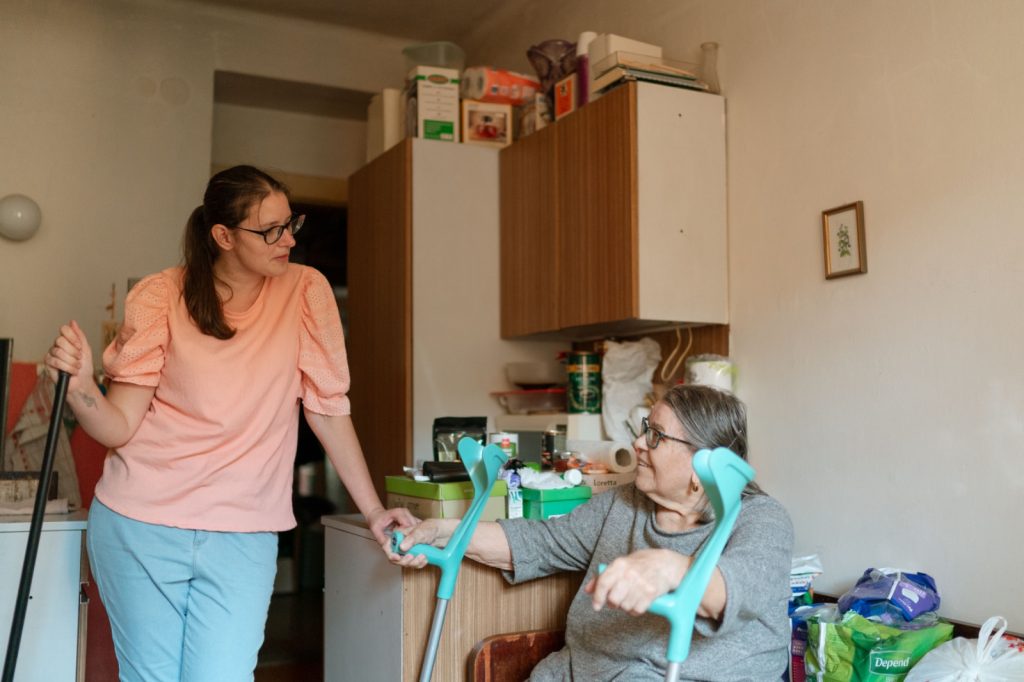
Support for the People Who Provide Care
Caregivers may provide physical, emotional, social and financial assistance. Although caregiving can be rewarding, it can also bring psychological, emotional and physical burdens.
Our caregiver support approach focuses on coping, emotional wellbeing, practical caregiving skills and healthier family functioning.
- Psychoeducation
- Emotional support and validation
- Stress-management techniques
- Problem-solving strategies
- Family counselling
- Referral to community resources
Common Challenges Caregivers May Experience
Recognising caregiver stress early can help families seek appropriate emotional and practical support.
Emotional difficulties can develop alongside prolonged caregiving responsibilities.
Long-term caregiving demands can become physically and emotionally exhausting.
Caregiving responsibilities may affect rest and healthy sleep routines.
Caregivers may reduce social activities while focusing on the needs of another person.
Long-term caregiving can create additional practical and financial responsibilities.
Ongoing burden can affect personal wellbeing and everyday functioning.
Types of Caregiver Support & Counselling
Psychoeducational Support
Information about illness, treatment options, medication management and caregiving strategies.
Individual Counselling
One-to-one support for stress, anxiety, depression, guilt and emotional difficulties associated with caregiving.
Family Counselling
Support for communication, conflict resolution and sharing caregiving responsibilities.
Support Groups
A space to share experiences, receive support and learn coping strategies from others.
Skills Training
Practical guidance around patient care, communication, behaviour management and daily living activities.
Respite Care Support
Support that may allow caregivers to take a temporary break and reduce prolonged caregiving burden.
Grief & Bereavement Counselling
Emotional support around anticipatory grief, loss and adjustment following a significant change or bereavement.
Tele-counselling
Telephone, video and online support options can improve accessibility and convenience.
Multidisciplinary Support
Psychologists, psychiatrists, nurses, social workers, occupational therapists and rehabilitation professionals can coordinate care according to need.
When Should a Caregiver Consider Counselling?
Professional support may be useful when caregiving begins to affect emotional or physical wellbeing.
- Persistent stress
- Anxiety or depression
- Sleep difficulties
- Anger or irritability
- Feelings of hopelessness
- Physical exhaustion

You Don't Have to Manage Caregiving Alone
Caregiver counselling can provide education, emotional support, coping strategies and practical guidance for families navigating ongoing care.
Book Caregiver CounsellingCaregiver Support FAQs
Any individual who provides physical, emotional or practical support to a person with illness, disability or dependency may be considered a caregiver.
Caregivers may consider counselling when they experience persistent stress, anxiety or depression, sleep difficulties, irritability, hopelessness or physical exhaustion.
Caregiver burnout refers to emotional, physical and mental exhaustion associated with prolonged caregiving stress.
Counselling can include psychoeducation, communication skills, behavioural-management techniques and coping strategies.
Tele-counselling and online support options can make caregiver services more accessible and convenient.
Sahakar Nagar, Bengaluru 560092
24/7 Open