Understand Your Body. Regulate Your Mind. Build Better Control.
Biofeedback therapy uses real-time information from your body's physiological responses to help you develop greater awareness, relaxation and self-regulation.
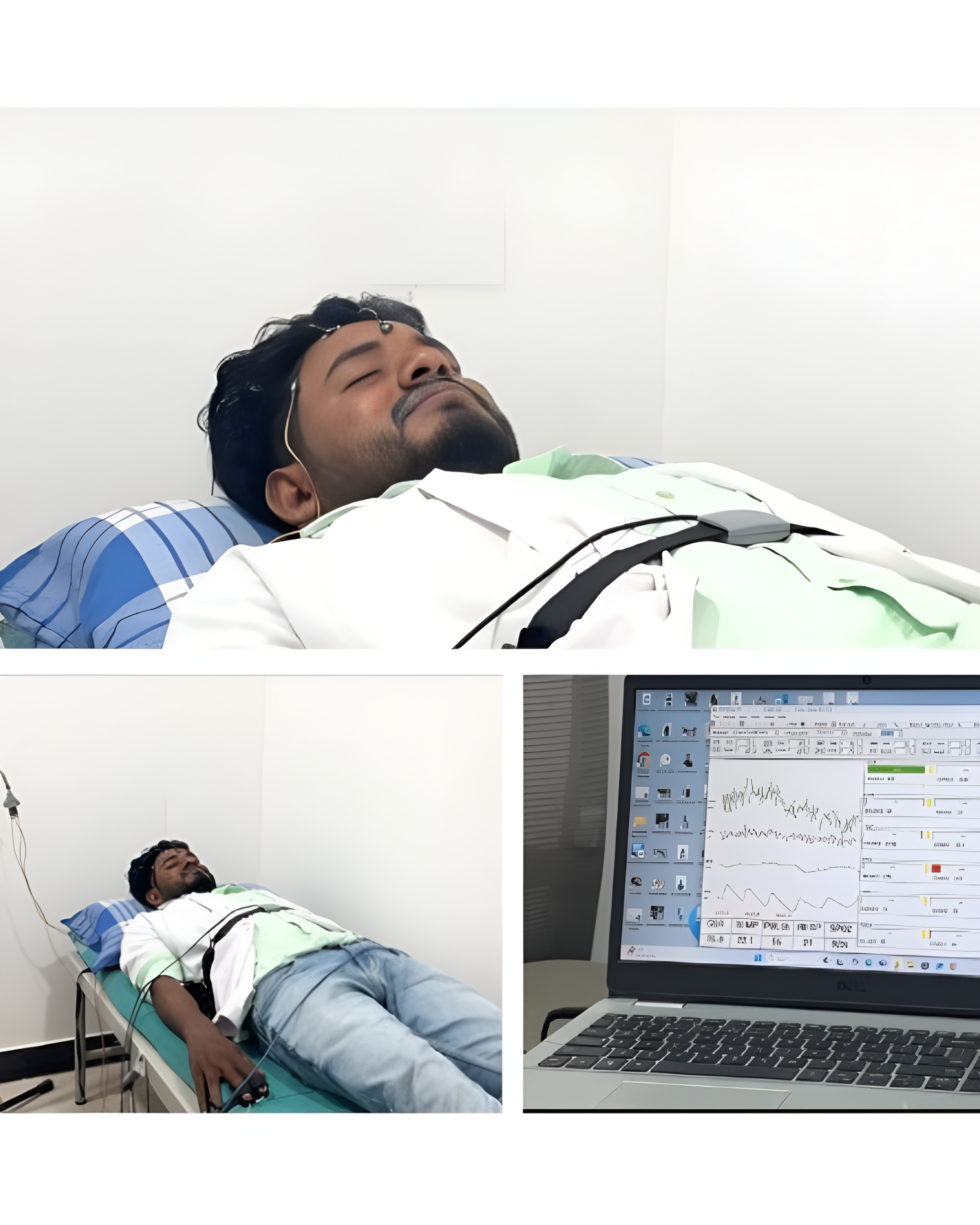
See how your body responds.
Guided feedback can help you recognise physiological patterns and practise healthier responses to stress.

Turn invisible body signals into useful information.
Biofeedback is a non-invasive, drug-free therapeutic approach that helps individuals become more aware of physiological responses such as heart rate, breathing, muscle tension and stress responses.
Sensors measure selected physiological signals and provide information in real time. With professional guidance, individuals learn techniques that may help them regulate these responses.
From physiological signals to conscious regulation.
During biofeedback, physiological information is measured and displayed so that the individual can learn how different techniques affect the body's response.
Sensors
Sensors are placed on the body to measure selected physiological responses such as heart rate, breathing or muscle tension.
Real-Time Data
Physiological information is displayed in real time, allowing the person to observe changes in their body's responses.
Guided Practice
With professional guidance, individuals practise breathing, relaxation, attention and other regulation techniques.
What your body is telling you matters.
Biofeedback makes selected physiological responses easier to observe. With repeated guided practice, people can learn which techniques help them move toward a calmer state.
At Mind & Brain Hospital, biofeedback can be integrated with psychological and psychiatric care according to individual clinical needs.
Where biofeedback may be incorporated.
Biofeedback may be used as part of a broader treatment plan for psychological, behavioural, neurological and psychosomatic concerns.
Mental Health
Psychological concerns where physiological regulation may be relevant.
- Anxiety disorders
- Depression
- Stress and burnout
- PTSD
Neurological & Behavioural
Conditions where regulation, attention or physiological awareness may be useful.
- ADHD
- Sleep difficulties
- Migraine
- Tension headaches
Physical & Psychosomatic
Physical symptoms that may be influenced by stress and physiological arousal.
- Chronic pain
- Muscle tension
- Digestive concerns
- Hypertension
Three ways biofeedback can support self-regulation.
Non-Invasive
Biofeedback uses external sensors and real-time feedback rather than invasive procedures.
Stress Management
Guided training can help individuals become more aware of physiological responses to stress.
Emotional Regulation
Learning to recognise and influence body responses may support improved emotional regulation and relaxation.

Technology becomes meaningful when it supports the person.
Our approach focuses on integrating advanced therapeutic technology with personalised psychiatric and psychological care.
- ✓ Experienced psychiatrists and psychologists
- ✓ Advanced biofeedback technology
- ✓ Personalised treatment planning
- ✓ Integrated therapy and psychiatric care
- ✓ Patient-centred and evidence-based approach
What to expect during biofeedback.
Sessions are designed to be comfortable, structured and guided by trained professionals. The exact approach depends on the individual's clinical needs and treatment goals.
- Duration: 30–60 minutes
- Experience: Comfortable and non-invasive
- Guidance: Relaxation and self-regulation techniques
- Feedback: Physiological responses displayed in real time
A structured learning experience
Non-Invasive Support
Biofeedback uses external sensors to measure physiological signals and provide information that can be used during guided training.
A comfortable approach that can complement care.
Biofeedback is generally considered a non-invasive therapeutic approach. It can complement psychological therapy and other clinical interventions when recommended by a qualified professional.
Biofeedback can be relevant to different needs.
A professional assessment helps determine whether biofeedback is appropriate and how it may fit into an individual's overall care plan.
People experiencing stress or anxiety
Working professionals experiencing burnout
Children with selected behavioural concerns
People experiencing chronic pain or migraines
Anyone seeking better self-regulation

Biofeedback questions answered.
Is biofeedback therapy effective for anxiety?
Biofeedback can help individuals become aware of and practise regulating physiological stress responses. Its suitability and expected benefits depend on the individual and their overall treatment plan.
How many biofeedback sessions are required?
The number of sessions varies depending on the condition, treatment goals and individual response. The current Mind & Brain Hospital page notes that 8–15 sessions may be typical in some cases.
Is biofeedback better than medication?
Biofeedback is not necessarily a replacement for medication. It may complement psychological therapy and medication when clinically appropriate.
Can children undergo biofeedback therapy?
Biofeedback may be considered for children in selected situations, including certain anxiety, ADHD or behavioural concerns. A professional assessment should determine whether it is appropriate.
Does biofeedback have side effects?
Biofeedback is a non-invasive approach and is generally well tolerated. Individual suitability should still be assessed by a qualified clinician.
Explore whether biofeedback is right for you.
Speak with our clinical team to understand your concerns and whether biofeedback may be appropriate as part of your personalised treatment plan.
Better awareness. Better regulation. Better wellbeing.
Take the first step toward understanding your mind–body connection with professional support from Mind & Brain Hospital.