Science of Spirituality & the Soul
Explore the intersection of neuroscience, philosophy, and psychology. From Plato to Maslow, discover why the concept of the "soul" is essential for mental health and human transcendence.
We grow up hearing the word “soul” long before we can actually explain what it means. It appears in comforting phrases, in grief, in love, and in the quiet moments when we search for meaning.
Though the word is woven into our daily lives, humanity has spent thousands of years attempting to reach a common ground on what the soul actually represents.
- Is it a magical spark inside us?
- Is it just a part of our brain?
- Or is "soul" just the name we give to the feeling of being alive?
In essence, the concept of the soul serves as a framework through which we attempt to navigate and interpret the complexities of our inner lives
In this article, we’re diving into the intersection of spirit and science.
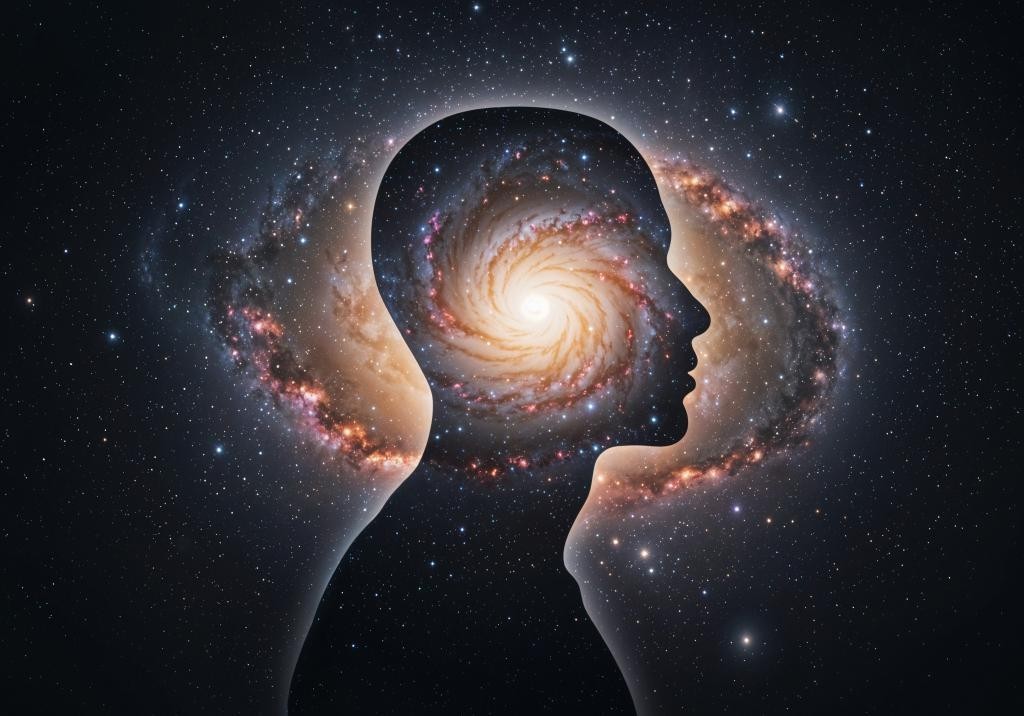
The Great Debate: Philosophy vs. Science
For centuries, we looked to the heavens to explain our inner selves. Today, we look into a microscope. Here is how the conversation has shifted:
The Ancient Perspective: The Soul as a Map
The Greeks didn't see the soul as a vague cloud; they saw it as a blueprint for human behaviour
- Plato’s “Three-Part” Soul: He imagined the soul as a chariot. Reason was the driver, trying to balance two horses: Emotion and Desire. To Plato, the soul was an eternal passenger in a temporary body.
- Aristotle’s “Organizing Force”: Aristotle was more grounded. He argued the soul wasn’t in the body; it was the way the body functioned. If an axe had a soul, that soul would be “cutting.”
The Modern Shift: The Soul as a Circuit:
In the 21st century, the "spark" has been replaced by the "synapse."
Science has moved the soul from the realm of mystery into the realm of measurement.
- Mapping the “I”: Using MRI scans, researchers can see exactly where “love” glows or “fear” flashes. When we can map every feeling to a specific fold in the brain, the traditional “immaterial soul” begins to look like a biological process.
- The Data of Being: Science suggests that what we call the soul is actually the

The Big Question: Why It Matters?
This isn’t just a debate for textbooks. How we define the soul changes how we view life, death, and everything in between. It forces us to confront a haunting choice:
- The Biological View: If the soul is just the brain, then we are “biological ” When the power goes out, the “soul” vanishes.
- The Transcendent View: Or is the brain simply the hardware? Like a radio receiving a broadcast,
the brain might just be the tool we use to tune into a "soul" that exists on a frequency we can't yet measure.
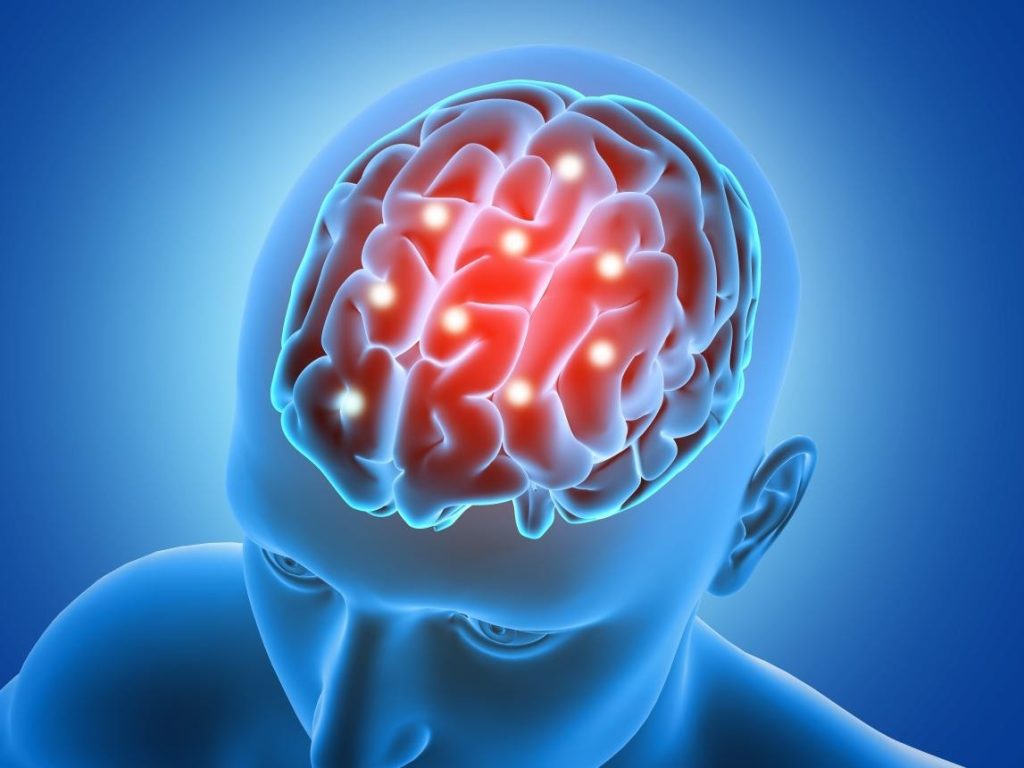
One Mystery, Many Maps: How the World Sees the Soul
Across every border and century, humans have reached for the same thing: a sense of the “Enduring Self.” While the destination is often the same, the maps we use to get there vary beautifully.
The Great Traditions
In major world religions, the soul is the bridge between this life and whatever comes next.
- The Eternal Flame (Hinduism): Your soul (Atman) is an eternal It never dies; it simply changes “costumes” through rebirth, seeking ultimate liberation.
- The Divine Connection (Christianity, Islam, and Judaism): The soul is a unique, sacred essence created by God. It is the part of you that survives the body to find judgment, peace, or eternal union with the Divine.
- The Shifting Stream (Buddhism): In a unique twist, Buddhism suggests there is no “permanent” ego. Instead, we are like a river—a flowing, ever-changing stream of consciousness that moves from one life to the next.
Spirituality: Finding the Soul without a Map
Today, millions are discovering the ‘soul’ outside the walls of a temple, mosque, or church. This is spirituality—a personal, unscripted search for meaning
- No Doctrine Required: You don’t need a manual to feel the “soul.” For many, it happens in the “Awe” of a mountain sunset or the quiet stillness of a 10-minute
- Inner Peace vs. Outer Rules: While religion offers a community and a path, spirituality is a solo hike. It’s about developing an “inner compass” to navigate life’s storms without needing a specific label.

The New Frontier: Psychology Meets the Infinite
Before Transpersonal Psychology became a formal movement in the 1960s, there was Carl Jung. While his peers saw the mind as a machine to be fixed, Jung saw it as a mystery to be explored. He famously introduced the concept of the Collective Unconscious—a shared “basement” of the human mind containing the blueprints of all human experience.
Jung argued that we aren’t just influenced by our personal memories, but by Archetypes— universal symbols like “The Hero,” “The Mother,” or “The Wise Old Man.” For Jung, the goal of life wasn’t just to be “normal”; it was Individuation, the process of integrating our conscious ego with the vast, soulful depths of the unconscious. He was the first modern psychologist to suggest that a “spiritual crisis” wasn’t a disease, but a call from the soul to grow.
In the 1960s, a new movement was born: Transpersonal Psychology. It asked a daring question: What if psychology looked beyond just fixing our problems and started exploring our potential? This field treats the “soul” not as a religious mystery, but as a vital part of being a healthy human.
Beyond the “Self”
Traditional psychology often focuses on the “Ego” (our name, our job, our past). Transpersonal psychology goes further:
- Validating the Extraordinary: Ever felt a sudden sense of “oneness” with nature or a deep “knowing” during meditation? This field doesn’t call those “weird”—it treats them as Peak Experiences that are essential for mental health.
- The Soul as Your Compass: Instead of a literal “ghost in the machine,” this field uses the soul as a metaphor for Wholeness. It’s the “Deep You” that remains when you strip away your stress and your social masks.
- Tools for Exploration: To reach these deeper states, practitioners use “body-mind” tools like breathwork, mindfulness, and flow These aren’t just for relaxation; they are keys to unlocking a higher level of consciousness.
Why This Matters for You
This isn’t just theory—it’s a toolkit for living. When we view our lives through this lens, we stop seeing ourselves as “broken computers” that need fixing and start seeing ourselves as limitless beings in the process of waking up.
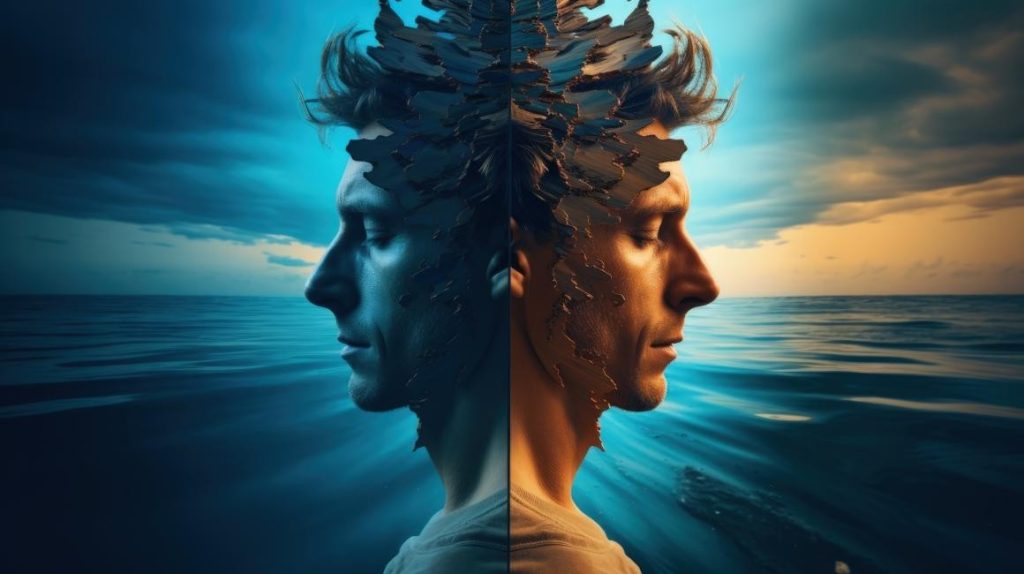
Transcendence: Breaking the Boundaries of "Me"
Have you ever looked at a star-filled sky and felt your daily stresses suddenly vanish? Or felt a surge of pure joy while helping someone in need? In psychology, this isn’t just a mood—it’s Transcendence. It is the moment the “Self” expands to include the rest of the world.
Dissolving the Ego
Most of the time, we live inside a “bubble” of our own thoughts, worries, and to-do lists. Transcendence is what happens when that bubble pops.
- The “Awe” Factor: Moments of intense beauty—a perfect sunset, a powerful piece of music, or a vast ocean—temporarily “quiet” the For a few seconds, there is no “I,” only the experience.
- The Helper’s High: When we reach out to help a stranger, we bridge the gap between “us” and “them.” This connection acts as a spiritual bridge, linking our core to something much larger than ourselves.
The Peak of Human Potential
Abraham Maslow, the famous psychologist behind the “Hierarchy of Needs,” originally thought that Self-Actualization (being your best self) was the final goal. But later in life, he realized there was something even higher: Self-Transcendence.
- Beyond the Self: Maslow argued that the healthiest humans are those who live for something outside of themselves—whether that’s a cause, a craft, or a spiritual truth.
- The “Why” of Life: Transcendence provides the “spiritual emotions” that help us make sense of our existence. It’s the difference between just surviving and truly belonging to the universe.
Conclusion
Embracing Your Infinite Self
The search for the soul is not a search for a hidden organ; it is a journey toward wholeness. As we navigate a world that often treats us like “biological computers,” remembering our capacity for transcendence is our greatest act of rebellion. Whether you find your “soul” in a quiet meditation, a breath-taking sunset, or a selfless act of kindness, you are tapping into a reality that is more than human. You are not just a person having a spiritual experience; you are a vast, unfolding mystery learning to recognize itself. The missing piece in psychology isn’t a definition—it’s the courage to look beyond the ego and embrace the infinite.
Dear audience, what about you?
We often spend our lives loud and busy, but the soul usually speaks in whispers.
- Was there a moment—in nature, in music, or in a quiet room—where your “ego bubble” popped and you felt part of something much larger?
- Do you see your “self” as a biological computer, or a radio tuning into a higher frequency?
Share your “Peak Experience” or your thoughts in the comments below. Let’s map this mystery together.
#Psychology #Neuroscience #Spirituality #MentalHealth #CarlJung #Philosophy #TranspersonalPsychology #Soul #Mindfulness #Awe #Consciousness #DeepThoughts #SelfDiscovery #MoreThanHuman