Understanding Schizophrenia: A Guide for Patients and Families
Schizophrenia is a serious yet treatable mental health condition that affects how a person thinks, feels, and behaves. Despite common misconceptions, with the right treatment and support, many individuals with schizophrenia can lead stable, meaningful lives. This article aims to provide clear, compassionate, and practical information for patients and their families.
What is Schizophrenia?
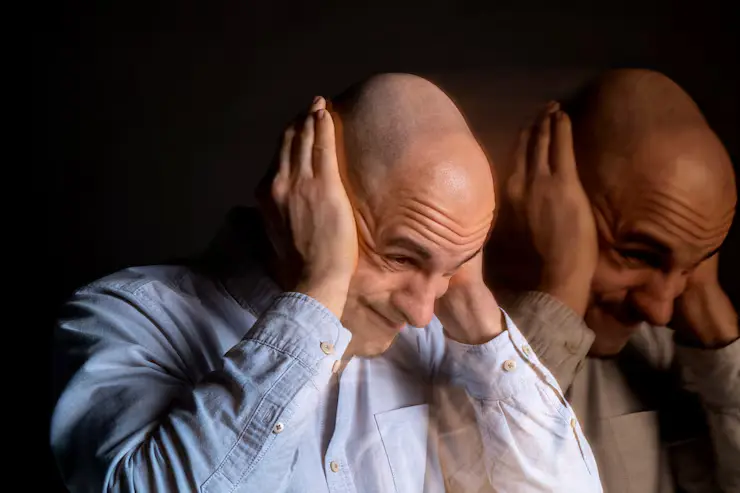
Schizophrenia is a disorder of the brain that affects approximately 1 in 100 people worldwide. It affects men and women equally and typically begins between the ages of 15 and 40. The condition can influence perception, thinking, emotions, and behavior, often making it difficult for individuals to distinguish between what is real and what is not.
What are the Symptoms of Schizophrenia?
The symptoms of schizophrenia are broadly categorized into positive symptoms and negative symptoms.
Positive symptoms refer to experiences that are added to a person’s mental state. These include delusions, hallucinations, disorganized thinking, and unusual behavior. A delusion is a strongly held belief that is not based in reality, such as feeling persecuted, believing one has special powers, or thinking others are controlling their actions. Hallucinations involve sensing things that are not present, most commonly hearing voices or seeing people who are not there. These experiences often feel very real to the individual.
Negative symptoms, on the other hand, refer to a reduction or absence of normal functioning. These may include lack of motivation, reduced emotional expression, difficulty concentrating, low energy, and withdrawal from social interactions. Although less visible, these symptoms can significantly affect daily life and independence.

What Causes Schizophrenia?
The exact cause of schizophrenia is not fully understood, but it is believed to result from a combination of factors. Genetics may play a role, as the condition can run in families. Biological factors such as brain development issues, complications during birth, or infections during pregnancy may also contribute.
Substance use, particularly cannabis and alcohol, can trigger or worsen symptoms in vulnerable individuals. Additionally, psychological stress from work, relationships, or life events may increase the risk of developing the condition.
Cultural Beliefs and Understanding
In many parts of India, schizophrenia and other mental health conditions are sometimes attributed to supernatural causes such as karma, black magic, evil spirits, or divine punishment. These beliefs are deeply rooted in cultural and religious traditions.
While it is important to respect personal beliefs, it is equally important to understand schizophrenia from a medical perspective. Combining medical treatment with personal or spiritual beliefs can often provide a more holistic approach to healing.
What is the Outcome of Schizophrenia?
The outlook for schizophrenia has improved significantly with modern treatment. Many individuals respond well to medication and therapy. A large proportion of people do not require long-term hospitalization and are able to work, maintain relationships, and live independently.
Early diagnosis and consistent treatment play a crucial role in improving long-term outcomes.
What Happens Without Treatment?
Without treatment, the symptoms of schizophrenia can become more severe and distressing. Hallucinations and delusions may intensify, affecting the individual’s ability to function in daily life. There is also an increased risk of depression and suicidal thoughts.
Research shows that the longer the condition goes untreated, the greater its impact. Early intervention is therefore essential.

What are the Treatment Options?
Treatment for schizophrenia typically involves a combination of medication and psychological support.
Medications known as antipsychotics are used to control symptoms. These are available in different forms such as tablets, syrups, or injections. Older medications, known as first-generation antipsychotics, work by affecting dopamine levels in the brain but may cause side effects like tremors and stiffness. Newer medications, called second-generation antipsychotics, act on multiple brain chemicals and are generally better tolerated, although they may lead to weight gain or metabolic changes.
In addition to medication, psychological therapies play a vital role. These include counseling, cognitive behavioral therapy, family therapy, and rehabilitation programs. Support from family and community is also essential in recovery.
How Long is Treatment Required?
Schizophrenia usually requires long-term treatment. The duration depends on the individual’s condition and response to therapy. In many cases, medication may need to be continued for months or years to prevent relapse.
It is important not to stop medication abruptly and to always consult a doctor before making any changes.
Returning to Everyday Life
Even after symptoms are controlled, some individuals may find it challenging to return to normal routines. Tasks such as socializing, working, or managing daily responsibilities may feel difficult.
With the help of therapy, rehabilitation, and family support, individuals can gradually rebuild their confidence and independence. Recovery is a process, and with patience and support, progress is achievable.
Final Thoughts
Schizophrenia is a manageable condition. With early diagnosis, appropriate treatment, and a supportive environment, individuals can lead fulfilling and productive lives. Awareness, compassion, and timely care are key to improving outcomes for both patients and their families.
Need Help?
If you or someone you know is experiencing symptoms of schizophrenia, seeking professional help early can make a significant difference. Mental health professionals can guide you through diagnosis, treatment, and recovery.