Picture trying to mold a beautiful pottery piece out of a block of rigid clay. You can press, mold and reshape it, but the stubborn clay refuses to give way. Sometimes, changing deeply established thought and behavioural patterns can feel just as difficult. This is where the relationship between rTMS and neuroplasticity becomes interesting.
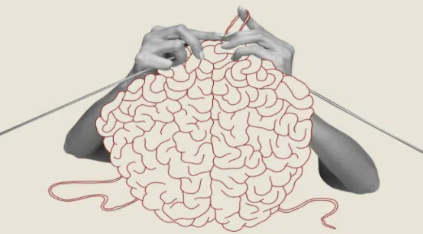
What Is Neuroplasticity?
Neuroplasticity is the brain's ability to change and adapt by forming, strengthening or reorganising connections between nerve cells. Often described as the brain's ability to "rewire" itself, this process helps us learn new skills, retain memories, adapt to experiences and develop different responses to our surroundings.
Learning, memory formation, emotional regulation and behavioural adaptation all involve neuroplastic processes. For example, psychotherapy approaches such as Cognitive Behavioural Therapy (CBT) can help people recognise unhelpful patterns and practise healthier ways of thinking and responding.
Learning
The brain adapts as we acquire new knowledge and skills.
Memory
Neural connections support the formation and retention of memories.
Emotional Regulation
Experience and learning can influence how we process emotions.
Adaptation
The brain continually responds to experiences and changing environments.
In some mental health conditions, certain brain networks involved in mood and emotional regulation may function differently. Supporting adaptive changes in these networks is one of the areas being explored in modern psychiatric care.
What Is rTMS?
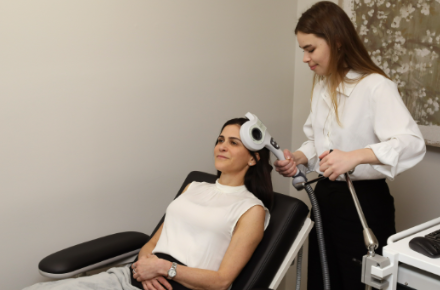
Repetitive Transcranial Magnetic Stimulation (rTMS) is a non-invasive brain stimulation treatment. It uses electromagnetic pulses to stimulate specific regions of the brain through a coil placed against the scalp.
rTMS is used in the treatment of certain mental health conditions, particularly major depressive disorder. Specific protocols may also be used for other conditions, depending on clinical assessment and applicable approvals.
How Does rTMS Work?
During an rTMS procedure, a specialised electromagnetic coil is positioned over a selected area of the scalp. It delivers repeated magnetic pulses that influence the activity of nerve cells in the targeted brain region.
Depending on the treatment protocol, stimulation can influence brain activity and communication within interconnected neural networks involved in mood and emotional regulation.
Clinical Assessment
A qualified clinician evaluates symptoms, medical history and treatment suitability.
Target Identification
The appropriate stimulation location and treatment protocol are determined.
Magnetic Stimulation
The coil delivers repeated magnetic pulses to the targeted brain region.
Monitoring and Follow-up
The clinical team monitors progress, response and any side effects throughout treatment.
What Does a Session Feel Like?
Patients generally remain awake and alert during rTMS. They may experience a tapping or tingling sensation on the scalp and hear clicking sounds during stimulation. Some people experience temporary headaches or scalp discomfort. Treatment duration and frequency vary depending on the protocol and individual assessment.
Treatment schedules, expected outcomes and possible side effects should always be discussed with the treating psychiatrist. rTMS is not suitable for everyone and requires appropriate screening.
Benefits of Combining rTMS and Talk Therapy
If neuroplasticity refers to the brain's capacity to adapt, psychotherapy provides structured guidance to help people recognise unhelpful patterns, develop healthier responses and practise new coping strategies.
The combination of rTMS and psychotherapy can be understood through the metaphor of softening clay. rTMS may influence the activity of selected brain networks, while psychotherapy helps individuals work towards meaningful changes in their thoughts, emotions and behaviours.
rTMS may help influence the brain's activity, while psychotherapy helps individuals practise and strengthen healthier ways of thinking and responding.
New Perspectives
Therapy can help individuals identify and challenge unhelpful beliefs.
Healthy Coping
Structured psychological support helps build practical coping strategies.
Emotional Support
Talk therapy offers a supportive space to understand emotional experiences.
Personal Growth
Consistent practice can support meaningful behavioural changes over time.
This integrated approach may be considered for individuals who require additional support alongside their existing treatment plan. The suitability of combining rTMS with psychotherapy depends on individual needs, diagnosis and clinical recommendations.
Conclusion: A Brain That Can Adapt
The relationship between rTMS and neuroplasticity offers an interesting perspective on how the brain responds to targeted stimulation and experience. While rTMS may influence specific brain networks, psychotherapy can provide the guidance and practical tools needed to work towards healthier thought and behavioural patterns.
Just as softened clay can be shaped into a new form, positive experiences, professional support and consistent therapeutic work can help individuals explore new ways of responding to life's challenges.
Mental health recovery is individual. A combination of medical treatment, psychological support and ongoing care may help people move towards improved well-being.
References & Further Reading
- Fitzsimmons SMD, Oostra E, Postma TS, van der Werf YD, van den Heuvel OD. (2024). Repetitive transcranial magnetic stimulation-induced neuroplasticity and the treatment of psychiatric disorders: State of the evidence and future opportunities. Biological Psychiatry. Read research.
- Kricheldorff J, Beyer LM, Kraft J. (2022). Evidence of neuroplastic changes after transcranial magnetic, electric, and deep brain stimulation. Brain Sciences, 12(7), 869. Read research.
Take a Step Towards Better Mental Health
Looking for professional guidance about rTMS therapy or mental health treatment? Connect with the clinical team at Mind & Brain Hospital for an assessment and guidance based on your individual needs.