A Way Forward Starts Here.
Depression is more than feeling sad. It can affect sleep, appetite, energy, concentration, relationships and the ability to enjoy everyday life.
Our Depression Recovery Program combines psychiatric care, psychological support, evidence-based therapies and advanced treatment options to create a personalised pathway toward recovery.
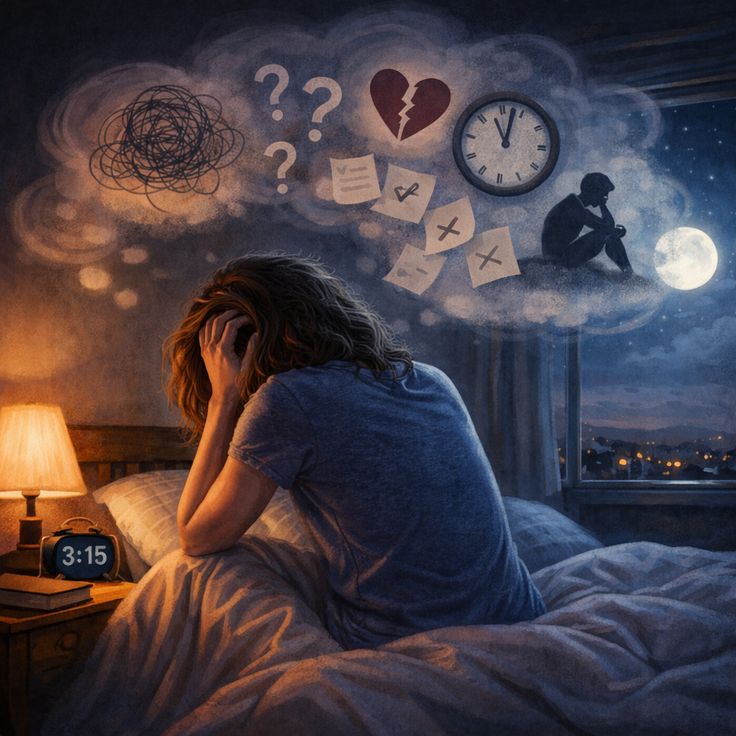
Depression can affect the whole person.
Depression can affect your sleep, appetite, energy, concentration, relationships and ability to enjoy everyday life.
The Depression Recovery Program at Mind and Brain Hospital is designed to provide structured, personalised care based on the individual's symptoms, severity and treatment needs.
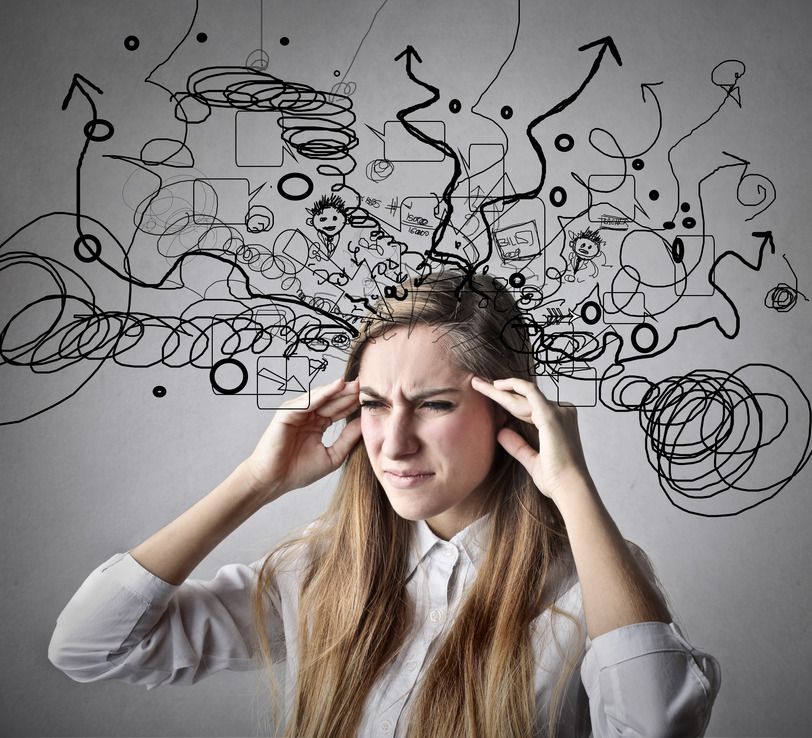
What Is a Depression Recovery Program?
A structured treatment plan combines medical, psychological and lifestyle interventions to support meaningful and sustainable recovery.
Reduce Emotional Distress
Support for sadness, hopelessness, emotional numbness and other depressive symptoms.
Improve Daily Functioning
Work toward improving sleep, energy, concentration, routines and relationships.
Manage Negative Thoughts
Psychological interventions can help identify and work with unhelpful thought patterns.
Restore Confidence
Gradually rebuild confidence and participation in meaningful everyday activities.
Prevent Relapse
Develop practical strategies for maintaining progress and recognising early warning signs.
Build Resilience
Learn skills that support emotional regulation, coping and long-term wellbeing.
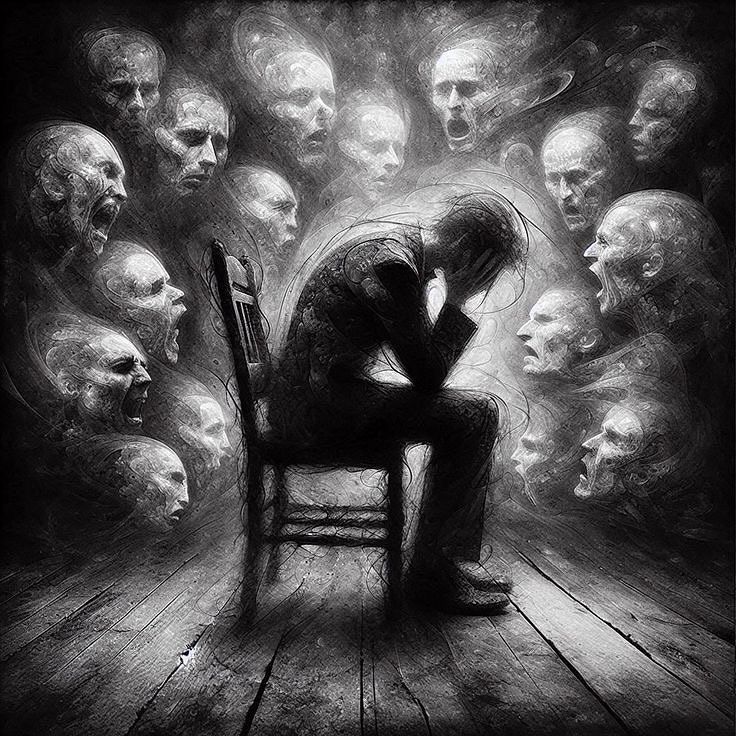
Depression Can Take Different Forms
Professional assessment helps identify symptoms, severity and contributing factors so that treatment can be appropriately personalised.
Major Depressive Disorder
Persistent and clinically significant depressive symptoms.
Persistent Depression
Longer-lasting depressive symptoms that may continue over an extended period.
Postpartum Depression
Depression occurring following childbirth that may require specialised professional support.
Seasonal Depression
Depressive symptoms that follow a seasonal pattern.
Depression With Anxiety
Depression and anxiety symptoms occurring together.
Treatment-Resistant Depression
Depression that has not improved sufficiently with standard treatment approaches.

Depression may show up in more ways than sadness.
You may benefit from professional treatment when symptoms persist or begin to interfere with everyday life.
Comprehensive Depression Treatment
Treatment is personalised according to symptoms, severity, clinical needs and recovery goals.
Psychiatric Evaluation
A detailed assessment helps understand symptoms, severity, triggers and co-occurring concerns.
Medication Management
When appropriate, antidepressant medication may be prescribed and monitored by a psychiatrist.
Psychotherapy
Evidence-based psychological approaches may include:
- Cognitive Behavioral Therapy
- Behavioral Activation
- Interpersonal Therapy
- Acceptance and Commitment Therapy
- Mindfulness-Based Therapy
Lifestyle & Wellness
- Sleep hygiene training
- Stress management
- Exercise planning
- Nutritional guidance
- Family psychoeducation
Occupational Therapy
Support for gradually returning to work, studies, routines and meaningful daily responsibilities.
Multidisciplinary Care
Psychiatrists, psychologists, therapists and allied professionals can work together around individual recovery goals.
Advanced Depression Treatments
Selected individuals who have not improved sufficiently with standard treatment may be evaluated for advanced treatment options.
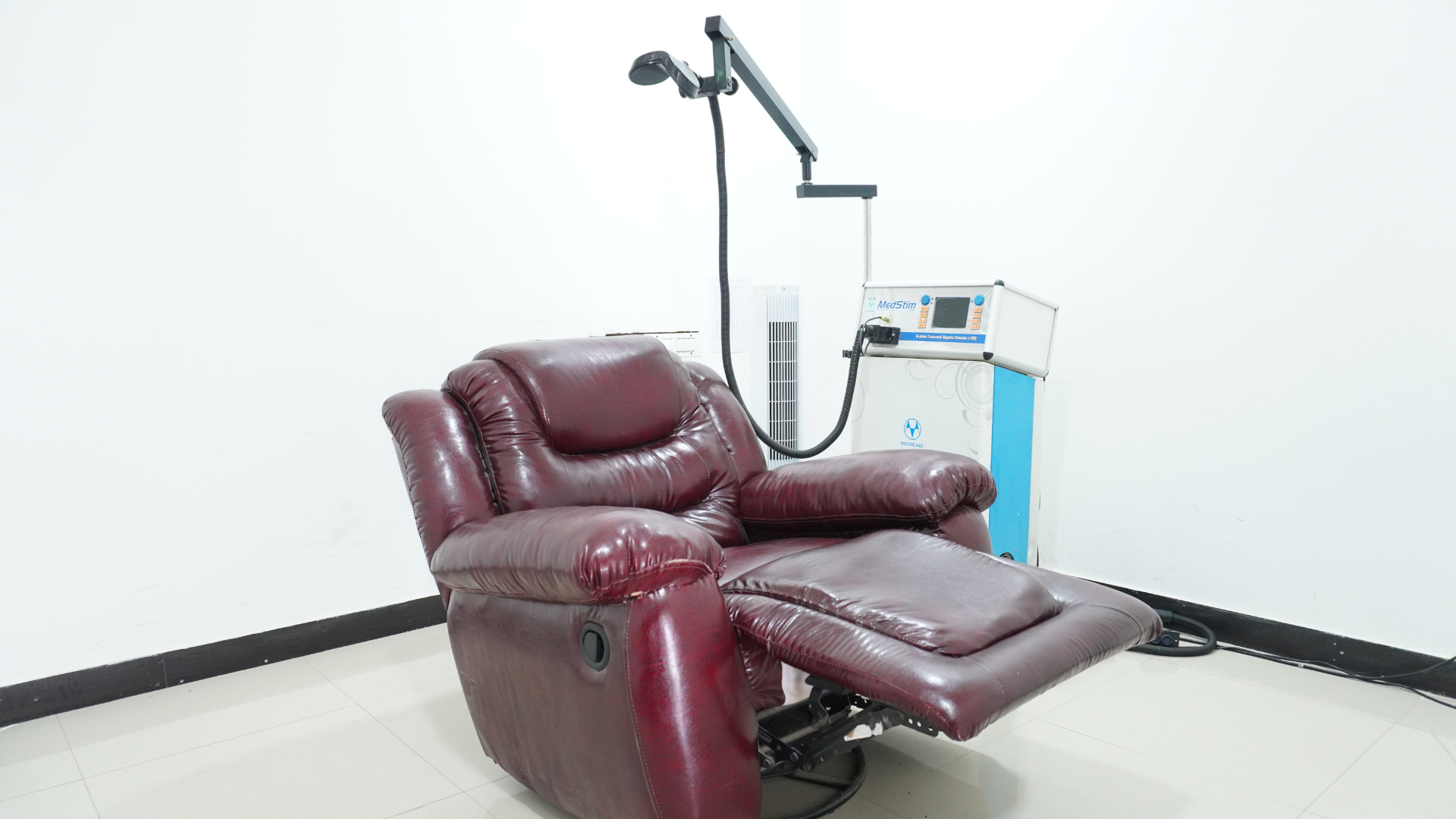
rTMS Therapy
A non-invasive treatment using magnetic pulses to stimulate areas of the brain involved in mood regulation.

Ketamine Therapy
May be considered for selected individuals under close medical supervision.
Biofeedback
Helps individuals develop greater awareness and regulation of physiological stress responses.
Neurofeedback
May be incorporated into selected treatment plans as part of broader therapeutic support.
ECT
May be considered when clinically indicated, particularly in severe or treatment-resistant depression.

The goal is not just symptom relief.
Recovery can also involve rebuilding routines, relationships, confidence and the ability to participate in meaningful activities.
A structured treatment program brings the right forms of professional support together around the individual's needs and recovery goals.
Why Choose a Structured Recovery Program?
Different aspects of depression care can be coordinated around one personalised recovery pathway.
Four Steps Toward Better Support
Assessment
Understand symptoms, history, severity and individual treatment needs.
Personalised Plan
Develop a treatment pathway based on clinical needs and recovery goals.
Active Treatment
Combine appropriate psychiatric, psychological and therapeutic interventions.
Continued Recovery
Build practical strategies supporting functioning, resilience and ongoing wellbeing.

Depression Recovery FAQs
Can depression be completely cured?
How long does it take to feel better?
Is medication always necessary?
What if previous treatment has not worked?
Can depression occur with anxiety?
You Don't Have to Figure It Out Alone.
Depression is treatable, and recovery is possible. Professional support can help you understand what is happening and identify an appropriate path forward.
Visit Us
#150/24, Kodigehalli Main Road,
Sahakar Nagar,
Bengaluru 560092,
Karnataka, India
Email Us
24/7 Emergency Support: For urgent psychiatric emergencies, seek immediate professional assistance.