A Brief Understanding of Positive Psychology
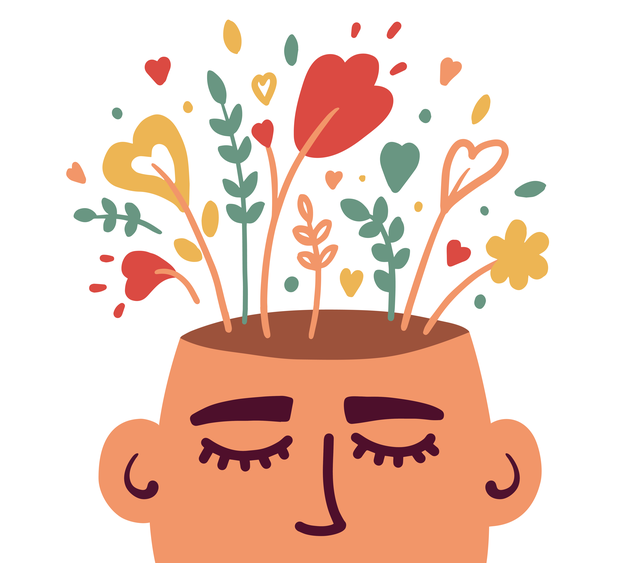
Positive psychology focuses on wellbeing, happiness, flow, personal strengths, wisdom, creativity, imagination and characteristics of positive groups and institutions. It emphasizes meaning and deep satisfaction, not just fleeting happiness. In general, the greatest potential benefit of positive psychology is that it teaches us the power of shifting one’s perspective
This is the focus of many techniques, exercises, and even entire programs based on positive psychology because a relatively small change in one’s perspective can lead to astounding shifts in wellbeing and quality of life. Injecting a bit more optimism and gratitude into your life is a simple action that can give you a radically more positive outlook on life.
Positive psychology was not established to replace traditional psychology, but to complement it with a positive bias that’s just as strong as psychology’s negative bias over the last several decades
Positivity doesn’t just change the contents of your mind, it widens the span of possibilities that you see.
Barbara Fredrickson, PhD
Psychology after World War II became a science largely devoted to healing. It concentrated on repairing damage using a disease model of human functioning. This almost exclusive attention to pathology neglected the idea of a fulfilled individual and a thriving community, and it neglected the possibility that building strength is the most potent weapon in the arsenal of therapy.
Prior to the Second World War, psychology had three tasks, which were to: cure mental illness, improve normal lives and identify and nurture high talent. However, after the war the last two tasks somehow got lost, leaving the field to concentrate predominantly on the first one. Given that psychology as a science depends heavily on the funding of governmental bodies, all available resources were poured into learning about and the treatment of psychological illness and psychopathology.
Perhaps now is the time to readdress the balance by using psychology resources to learn about normal and flourishing lives, rather than lives that are in need of help. Perhaps now is the time to gather knowledge about strengths and talents, high achievement (in every sense of this word), the best ways and means of self-improvement, fulfilling work and relationships, and a great art of ordinary living carried out in every corner of the planet. This is the rationale behind the creation of positive psychology.

Martin Seligman is considered the pioneer of positive psychology in 1998 by shifting focus from treating mental illness to fostering human flourishing. While gardening, Seligman’s five-year-old daughter told him, “If I can stop whining, you can stop being such a grouch”. This moment made him realize his research on depression made him, and thus his field, overly focused on the negative.
He realized psychology needed to study strengths, resilience, and positive emotions rather than just pathology, later introducing the PERMA model (Positive emotion, Engagement, Relationships, Meaning, Accomplishment).
When we take time to notice the things that go right - it means we're getting a lot of little rewards throughout the day
Martin Seligman
Positive psychology teaches how to harness the power of shifting one’s perspective to maximize the potential for happiness in many of our everyday behaviors. Many research findings support how positivity enhances our lives.
- Spending money on experiences provides a bigger boost to happiness than spending money on material possessions (Howell & Hill, 2009)
- Happiness is contagious; those with happy friends and significant others are more likely to be happy in the future (Fowler & Christakis, 2008)
- Gratitude is a big contributor to happiness in life, suggesting that the more we cultivate gratitude, the happier we will be (Seligman, Steen, Park, & Peterson, 2005)
- Oxytocin may provoke greater trust, empathy, and morality in humans, meaning that giving hugs or other shows of physical affection may give you a big boost to your overall wellbeing (and the wellbeing of others; Barraza & Zak, 2009)

Positive psychology provides a hopeful framework, emphasizing that by nurturing strengths, positive emotions, and meaning, individuals can thrive despite life’s challenges.