tDCS Therapy in Bangalore | Non-Invasive Brain Stimulation for Depression, OCD & Chronic Pain
What is tDCS?
Transcranial Direct Current Stimulation (tDCS) is a safe, painless, and non-invasive brain stimulation technique that uses a very low electrical current to modulate the activity of specific areas of the brain.
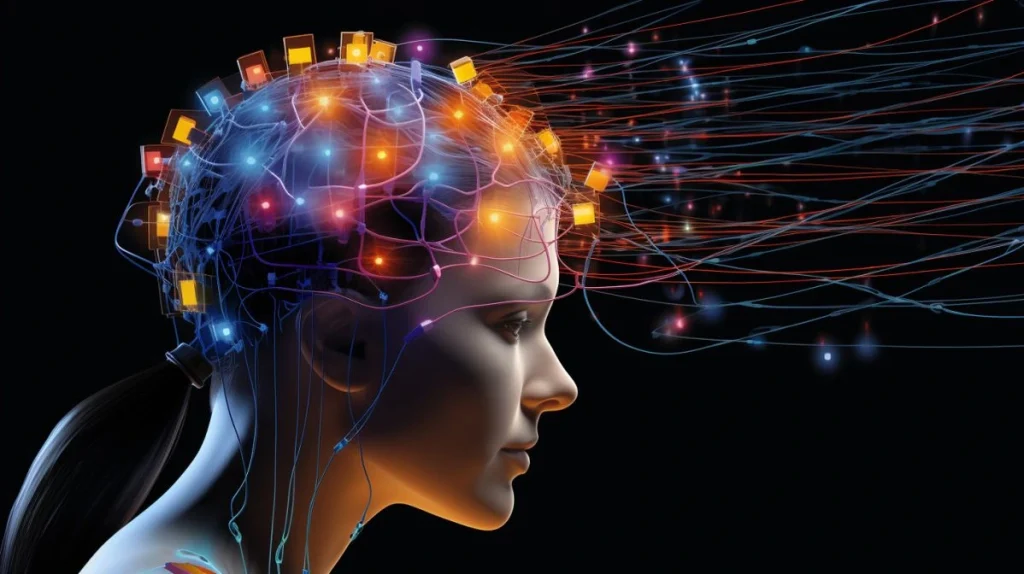
During the treatment, two small electrodes are placed on the scalp, and a gentle current is delivered to targeted brain regions. This helps improve communication between brain cells and can reduce symptoms of various mental health and neurological conditions.
At Mind and Brain Hospital, Bangalore, tDCS is provided by experienced psychiatrists and mental health professionals as part of a comprehensive treatment plan.
How Does tDCS Work?
The brain functions through electrical signals exchanged between neurons. In conditions such as depression, anxiety, and OCD, certain brain circuits may become overactive or underactive.
tDCS works by:
- Increasing activity in underactive brain regions
- Reducing activity in overactive areas
- Improving neuroplasticity (the brain’s ability to adapt and heal)
- Enhancing the effects of psychotherapy and medications
The stimulation is mild and usually produces only a slight tingling sensation on the scalp.
Conditions Treated with tDCS
tDCS therapy can be beneficial for a range of psychiatric and neurological conditions, including:
Mental Health Conditions
- Major Depressive Disorder
- Treatment-Resistant Depression
- Generalized Anxiety Disorder
- Obsessive-Compulsive Disorder (OCD)
- Attention-Deficit/Hyperactivity Disorder (ADHD)
- Schizophrenia (certain symptoms)
- Substance Use Disorders
Neurological and Pain Conditions
- Chronic Migraine
- Fibromyalgia
- Neuropathic Pain
- Stroke Rehabilitation
- Parkinson’s Disease
- Memory and Cognitive Difficulties
Benefits of tDCS Therapy
- Non-invasive and painless
- No anesthesia required
- No seizures induced
- Minimal side effects
- Can be combined with medications and therapy
- Improves mood, cognition, and attention
- Outpatient procedure
- Sessions usually last 20–30 minutes
What Happens During a tDCS Session?
- A psychiatrist evaluates your condition and confirms suitability.
- Electrodes are placed on your scalp.
- Low-intensity current (typically 1–2 mA) is delivered for 20–30 minutes.
- You remain awake and comfortable throughout the procedure.
- You can resume your routine immediately after the session.
A typical treatment course includes 10–20 sessions over 2–4 weeks.

Is tDCS Safe?

Yes. tDCS has been widely studied and is considered safe when administered by trained professionals.
Common temporary side effects may include:
- Mild tingling
- Slight itching under the electrodes
- Scalp redness
- Mild headache
- Fatigue
Serious adverse effects are extremely rare.
Who is a Good Candidate for tDCS?
You may benefit from tDCS if you:
- Have depression or anxiety not fully responding to medication
- Experience side effects from psychiatric medications
- Prefer non-medication treatment options
- Need cognitive enhancement during recovery
- Want to augment psychotherapy outcomes
Our psychiatrists will determine whether tDCS is appropriate for your condition.
Why Choose Mind and Brain Hospital for tDCS in Bangalore?
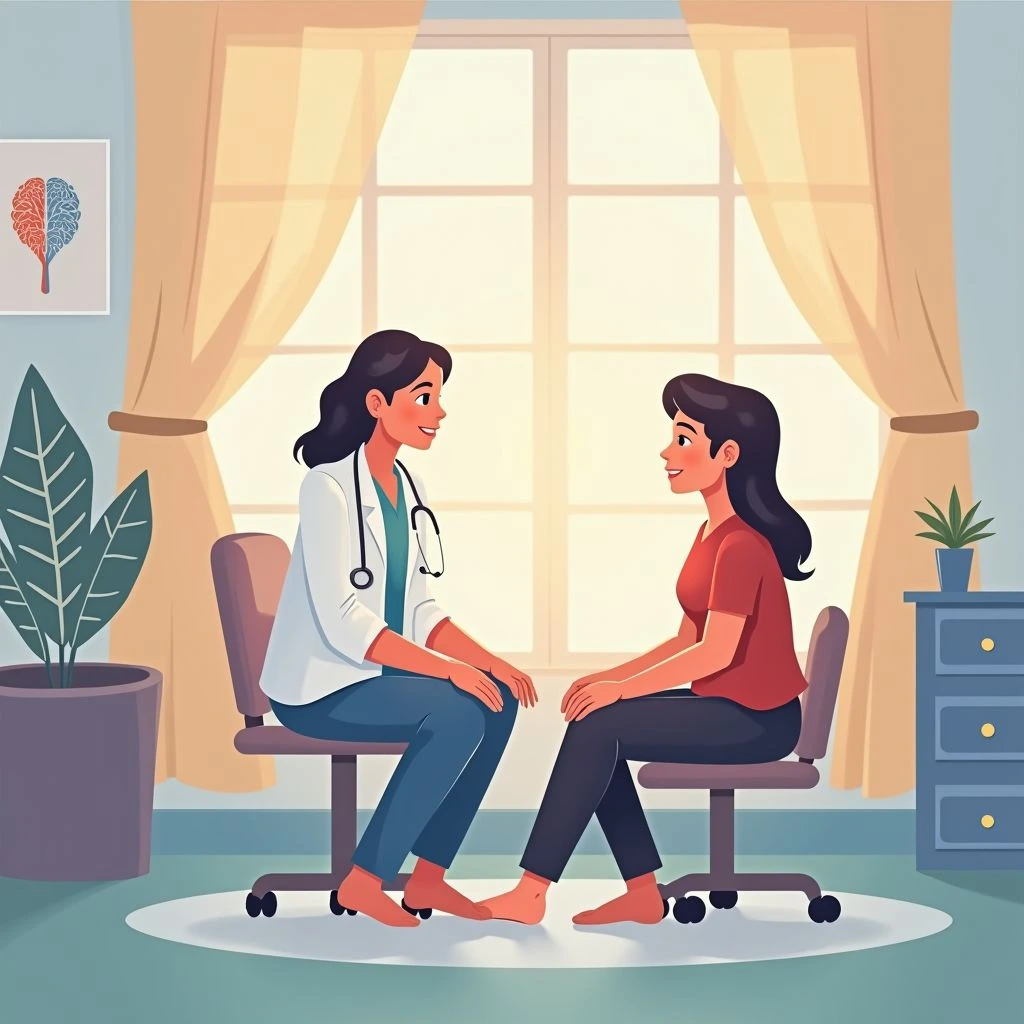
At Mind and Brain Hospital, we offer evidence-based neuromodulation treatments tailored to individual needs.
Our Advantages
- Experienced psychiatrists and psychologists
- Personalized treatment planning
- Modern brain stimulation equipment
- Comprehensive mental health care under one roof
- Ethical and patient-centered approach
Frequently Asked Questions (FAQs)
No. Most patients experience only mild tingling or itching during treatment.
Some individuals notice changes within a few sessions, while others improve gradually over several weeks.
Yes. tDCS is commonly used alongside medications and psychotherapy.
tDCS is supported by growing research evidence and is increasingly used worldwide for depression and related conditions.
Most treatment protocols involve 10–20 sessions, though this varies by condition.
Book a tDCS Consultation in Bangalore
If you are looking for a safe, effective, and non-invasive treatment for depression, OCD, anxiety, chronic pain, or cognitive problems, tDCS therapy may help.
Schedule a consultation with our psychiatrists at Mind and Brain Hospital, Bangalore, to determine whether tDCS is right for you.