01
Disproportionate Reactions
Your emotional or physical reaction may be much stronger than the situation reasonably calls for.
Anxiety is more than excessive worrying. It can involve powerful interactions between the brain, body, thoughts, emotions and environment. Understanding what happens beneath the surface can help replace fear and stigma with knowledge and meaningful support.

Almost everyone has felt the body brace itself before a threat — the tightened chest before an examination, the looping thoughts at two in the morning, or the strange certainty that something is about to go wrong.
For most people, that feeling rises and then recedes. Anxiety is a normal emotional response and can help us remain alert, prepare for challenges and respond to potential danger.
An anxiety disorder is different. Fear, dread or apprehension can become disproportionate, difficult to control and disruptive to everyday functioning.
When anxiety begins interfering with work, relationships, sleep or basic daily activities, professional assessment may be appropriate.
“Anxiety is not simply worrying too much. It can be a whole-body experience.”
Physical symptoms of anxiety are real and measurable. They are not “just in your head.”
Anxiety becomes clinically concerning when its intensity, persistence or impact begins to interfere significantly with a person's life.
Your emotional or physical reaction may be much stronger than the situation reasonably calls for.
You may recognize that your fears are excessive, yet still find it extremely difficult to stop the cycle of worry or physical alarm.
Anxiety may begin affecting work, relationships, sleep, social activities or other everyday functions.
Different anxiety disorders have different patterns, triggers and symptoms. Understanding the distinction can help people seek the right form of assessment.
Persistent and excessive worry about everyday concerns such as work, health or finances that is difficult to control.
Repeated unexpected panic attacks involving sudden surges of intense fear and physical symptoms.
Persistent fear of being judged, watched, embarrassed or negatively evaluated in social situations.
Intense fear associated with a specific object or situation such as heights, flying or animals.
Fear of situations where escape or help may feel difficult, including crowds, public transport or certain open spaces.
Excessive distress related to separation from an attachment figure. It can occur in both children and adults.
Difficulty speaking in specific social situations despite being able to speak comfortably in other circumstances, often beginning during childhood.
Symptoms can involve thoughts, emotions, behaviour and physical sensations. Their combination can vary from person to person.
No single cause explains anxiety disorders. Contemporary research points towards an interaction between biological vulnerability, brain processes, genetics, psychological characteristics and life experiences.
Understanding this interaction is important because anxiety is not a character flaw or a simple failure to “think positively.”
Neurotransmitter systems involving serotonin, dopamine, norepinephrine and GABA contribute to the regulation of mood, arousal and fear responses.
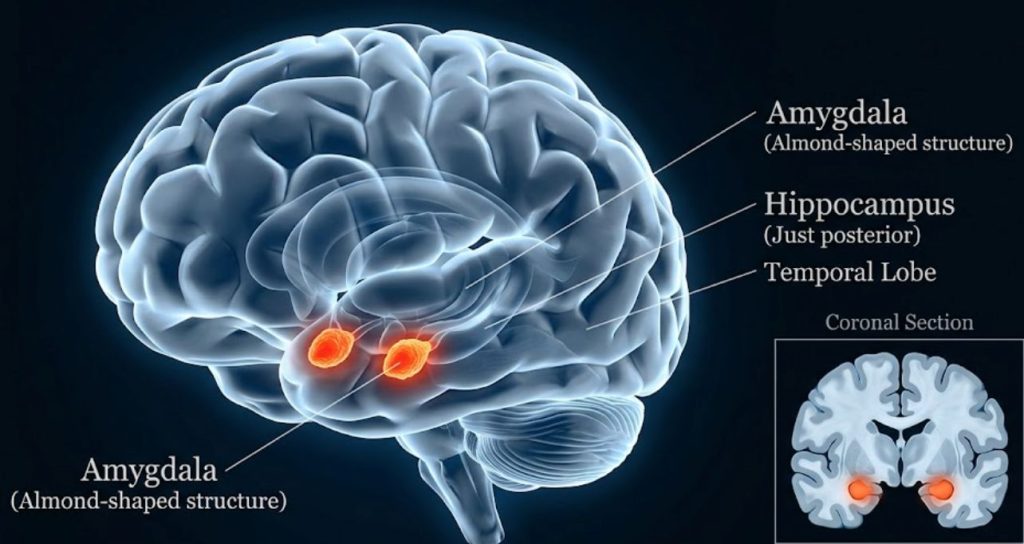
The amygdala plays an important role in detecting potential threats. Heightened threat sensitivity can contribute to persistent anxiety.
Anxiety disorders can run in families. Genetic vulnerability may interact with environmental and psychological factors.
Prolonged stress, difficult childhood experiences and traumatic events can influence how the brain and body respond to future stress.
There is no single blood test or brain scan that definitively diagnoses an anxiety disorder. Diagnosis usually involves a detailed clinical assessment.
A healthcare professional may assess physical symptoms and consider medical causes that can resemble anxiety, such as thyroid problems.
A mental-health professional explores symptoms, their duration, severity, triggers and impact on everyday functioning.
Symptoms are assessed against established diagnostic frameworks such as DSM-5 criteria, alongside professional clinical judgement.
Effective treatment depends on the type and severity of anxiety, individual needs and clinical assessment.
CBT helps people identify patterns of thinking, behaviour and avoidance that maintain anxiety. It can help develop more balanced interpretations and healthier responses.
Gradual and carefully planned exposure to feared situations can help the brain learn that anxiety can be tolerated and that feared outcomes may not occur.
Anxiety disorders are common, real and treatable. Waiting for symptoms to become severe can make daily functioning increasingly difficult.
When clinically appropriate, medication may also form part of treatment. Treatment decisions should be made with a qualified healthcare professional.
Untreated anxiety can become increasingly disruptive. Avoidance can reinforce fear, while persistent physical arousal and worry can affect sleep, relationships, work and overall quality of life.
Persistent anxiety can restrict activities, relationships and everyday independence.
Some people may turn to alcohol or other substances as an attempt to cope with distress.
Anxiety and depressive disorders frequently occur together and can reinforce one another.
Chronic stress and persistent anxiety can contribute to physical health difficulties and should not be ignored.
Alongside professional treatment, several everyday strategies can support emotional wellbeing and help manage anxiety symptoms.
Meditation, deep breathing, yoga and mindfulness can help reduce physiological arousal and improve awareness of anxious thoughts.
Consistent physical activity can support mood, reduce baseline anxiety and improve sleep quality.
Caffeine can amplify physical sensations such as a racing heart or trembling. Reducing intake may help people who are particularly sensitive.
Connecting with trusted people can provide emotional validation, encouragement and practical support.
Understanding anxiety can reduce stigma and help family members respond with greater empathy and appropriate support.
If anxiety is persistent, severe or interfering with daily life, speaking with a qualified healthcare professional is an important step.
Research from India highlights the scale of anxiety-related concerns and the continuing need for accessible mental-health assessment and care.
Untreated anxiety can become harder to manage over time. Recognizing the symptoms and seeking appropriate professional support can be an important step towards recovery.
“Anxiety disorders are medical conditions, not character flaws.”
“Seeking treatment is a sign of strength, not weakness.”
Whether you are experiencing constant worry, panic attacks or a paralyzing fear of social situations, there are evidence-based approaches that can help.
The most important step is not to ignore persistent symptoms. Speaking with a qualified healthcare professional can help you understand what is happening and identify appropriate support.
Book an Appointment